
Does Microblading Change Color Over Time?
Microblading has rapidly become one of the most sought-after cosmetic tattooing procedures across the globe. It promises effortless, fuller, and natural-looking eyebrows that can last for months or even years. But if you’ve ever considered the microblading treatment or already had it done, you may have heard about microbladed brows changing color over time.
It’s a valid concern — and a common one.
In this comprehensive blog post, we’re exploring why microblading changes color, what factors contribute to this shift, how to prevent unwanted color changes, and what you can expect long-term. Whether you’re a client considering microblading for the first time or a technician looking to educate your clients better, this guide will give you all the answers.
What Is Microblading?
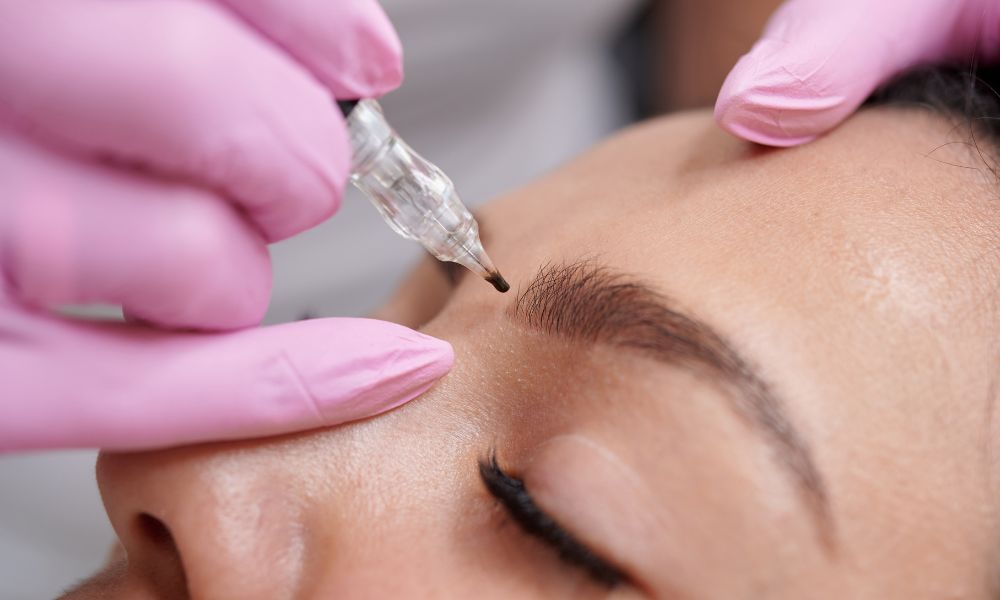
Microblading is a semi-permanent makeup technique that involves using a manual handheld tool with ultra-fine needles to deposit pigment into the upper layers of the skin, creating hair-like strokes that mimic natural eyebrow hairs.
Unlike traditional tattooing, which goes deeper into the skin and lasts much longer (often for life), microblading is designed to fade gradually over time. Most results last between 12 to 24 months, depending on multiple factors such as skin type, lifestyle, pigment choice, and aftercare.
So, Does Microblading Change Color Over Time?
Yes, microblading can and often does change color over time. While the pigment may initially appear crisp and natural, its tone may alter as it fades — sometimes shifting to hues like red, orange, gray, blue, or even green.
This can be disappointing or even alarming for clients who expected their brows to simply fade naturally to nothing.
But here’s the thing: Color change doesn’t always mean something has gone wrong. It’s part of how pigments break down in the skin — though poor technique, wrong pigment choice, or lack of maintenance can exacerbate the issue.
Why Does Microblading Change Color?
There are several key reasons why microblading pigment may change color over time:
1. Pigment Composition
Not all pigments are created equal. There are two main categories:
- Iron oxide pigments: Common in permanent makeup, these tend to fade more predictably but may leave behind reddish or orange undertones.
- Synthetic/organic pigments: These are brighter and more vibrant but may fade to blue or green tones, depending on the base formulation.
2. Skin Undertone & Type
Your skin’s undertone (cool, warm, or neutral) and type (oily, dry, sensitive) can significantly affect how pigment settles and fades. For example:
- Oily skin tends to push pigment out faster and may cause color to blur or fade to gray or blue.
- Cool-toned skin can make pigments appear ashier.
- Warm skin may amplify reddish tones.
3. Sun Exposure
UV radiation is one of the most common causes of pigment breakdown. Excessive sun exposure can oxidize the pigment, leading to unwanted color changes such as fading to orange or red.
4. Poor Aftercare
Proper aftercare is crucial to preserving color. Using products that contain retinol, acids (AHA/BHA), or exfoliants near the brow area can accelerate pigment fading and cause uneven color loss or shifts.
5. Depth of Pigment Implantation
If the pigment is placed too deep, it may shift to bluish or gray tones as it settles into deeper layers of the skin — mimicking the “tattoo look.”
If it’s placed too shallow, the pigment may fade too quickly or appear patchy.
6. Low-Quality Pigments or Technique
Unfortunately, not all technicians are trained equally. Using cheap or expired pigments, incorrect pigment for a client’s undertone, or poor technique can lead to color shifts or uneven fading.
What to Expect Over Time: A Timeline
Let’s break down a rough timeline of how microbladed brows typically evolve in terms of color:
🔹 Week 1-2: Healing Phase
- Brows will appear darker immediately after treatment.
- Some redness or scabbing is normal.
- Pigment may look overly warm or cool due to skin trauma and oxidation.
🔹 Week 3-6: Color Settles
- Scabs fall off.
- True pigment starts to emerge.
- Color will appear softer and lighter than the initial application.
🔹 Months 3-12: Slow Fading
- Pigment begins to fade slowly and evenly.
- For some, the color may stay true.
- Others may notice subtle shifts (warmer or cooler tones).
🔹 12+ Months: Noticeable Fading/Color Shift
- Pigment may start to turn reddish, grayish, bluish, or patchy.
- Most clients will benefit from a color boost or touch-up.
Color Shift Examples (Real-World Scenarios)
Example 1: Cool Undertone, Ash Pigment
- Initial Result: Beautiful taupe-brown.
- After 12 Months: Color shifts to gray or bluish tones due to skin undertone enhancing coolness.
Example 2: Warm Undertone, Warm Pigment
- Initial Result: Rich brown.
- After 12–18 Months: Brows turn reddish-orange due to warm undertones and sun exposure.
Example 3: Oily Skin
- Initial Result: Great shape, natural tone.
- After 6 Months: Blurred strokes, grayish hue, especially if pigment implanted too deeply.
Can You Prevent Microblading Color Change?
You can’t prevent it completely, but you can minimize it significantly with the right precautions:
✅ Tips to Maintain True Color:
- Choose a certified, experienced technician who uses high-quality pigments and customizes the formula for your skin tone.
- Follow all aftercare instructions — no picking, scratching, or exposing brows to sun, chlorine, or active skincare.
- Use SPF on your brows daily, especially when outdoors.
- Avoid exfoliating products (retinol, glycolic acid, etc.) near the brow area.
- Get timely touch-ups to neutralize any shifting tones before they become too visible.
- Discuss pigment types with your artist — some pigment lines are more stable and fade more naturally than others.
Can You Correct Color Change?
Yes — color correction is possible, but it requires a skilled technician and sometimes multiple sessions.
Depending on the color shift, your technician may:
- Neutralize unwanted tones (e.g., orange, red, gray) with a counteracting pigment.
- Color correct and reshape during a touch-up session.
- Recommend removal (e.g., saline or laser) for extreme cases before redoing the brows.
Product Ingredients That Fade or Change Brow Color
Be aware of these common skincare ingredients that could cause premature fading or color changes:
| Ingredient | Effect on Microblading Pigment |
| Retinol/Retinoids | Speeds up cell turnover; fades color |
| AHAs/BHAs | Exfoliates pigment |
| Benzoyl Peroxide | Bleaches pigment |
| Vitamin C | Lightens and oxidizes pigment |
| Salicylic Acid | Breaks down pigment |
Always read skincare labels and avoid applying these directly over your brows unless advised otherwise.
The Technician’s Role in Color Longevity
An experienced technician will:
- Assess your skin type and undertone.
- Use high-quality, stable pigments.
- Mix colors to anticipate future fading (e.g., adding warmth to cooler skin).
- Explain the importance of aftercare and future touch-ups.
Don’t be afraid to ask your artist about the pigments they use or request examples of healed work over time.
Final Thoughts: Is Color Change a Dealbreaker?
Not at all — but it’s important to be informed.
Microblading is a form of cosmetic tattooing, and as such, some change in color over time is inevitable. But with good technique, proper pigment selection, and diligent aftercare, you can minimize unwanted shifts and enjoy beautiful, low-maintenance brows for years.
If your brows do change color, don’t panic — correction is usually possible, and many people undergo minor touch-ups to refresh or balance their look.
Ready for flawless brows? Contact us today to book your microblading in Sydney and wake up with perfect brows every day.