
Microblading Touch-Up: Why Is It Necessary?
In the world of semi-permanent makeup, microblading has become a beauty game-changer. Offering a natural-looking solution for fuller brows, it helps countless people save time in their daily routines and boost confidence with minimal maintenance. But as with any cosmetic procedure, there’s a process to follow — and one of the most crucial steps is the microblading touch-up.
So, why is the touch-up necessary? Can’t one session be enough?
In this comprehensive guide, we’ll explain what the microblading touch-up is, why it’s essential, what happens if you skip it, and how to maintain your new brows for the long haul.
What Is Microblading?
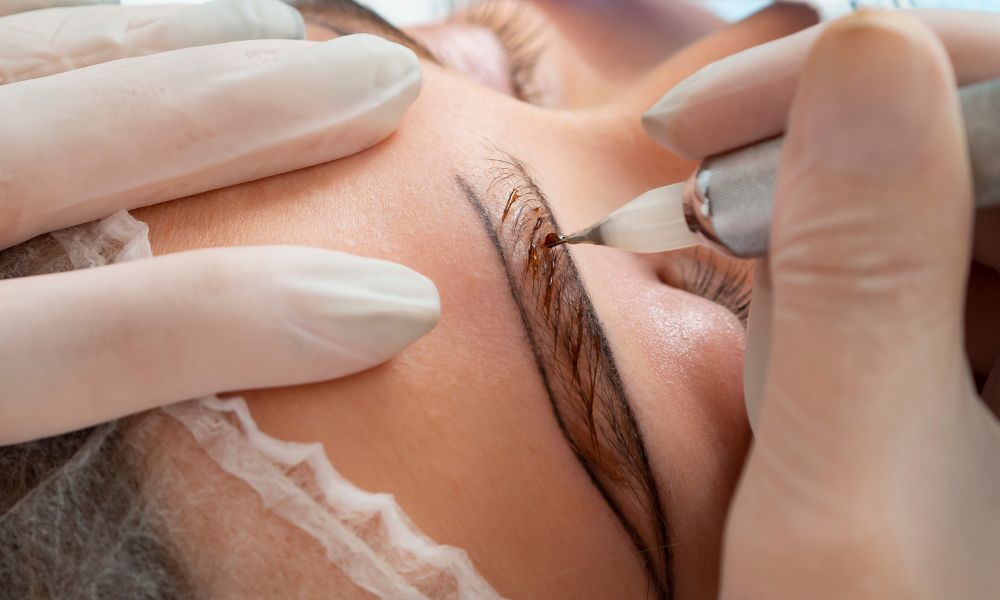
Microblading is a semi-permanent tattooing technique used to enhance the appearance of eyebrows. Unlike traditional tattoos, which use a machine, microblading is done with a handheld tool that creates tiny hair-like strokes by depositing pigment into the upper layers of the skin.
The results are realistic, defined, and fuller-looking brows that last anywhere from 12 to 24 months, depending on various factors like skin type, lifestyle, and aftercare.
The Microblading Process: Two Steps to Perfect Brows
Microblading isn’t a one-and-done procedure — it’s a two-part process:
- Initial Session: The artist maps and shapes your brows, selects the right pigment, and creates the hair-like strokes.
- Touch-Up Session (4–8 weeks later): The artist evaluates how your skin has healed, corrects pigment loss, and perfects the shape.
Skipping the touch-up is like baking a cake but not putting on the icing — you’ll have the foundation, but not the finished product.
Why Is the Touch-Up Necessary?
1. Skin Healing and Pigment Retention Vary
After the first session, your skin will go through a healing process. Some pigment may be lost due to:
- Scabbing and flaking
- Natural skin regeneration
- Oily skin types “pushing out” pigment
- Immune response or improper aftercare
The touch-up ensures that any faded or uneven areas are filled in, so the brows look consistent and complete.
2. Pigment May Fade or Change Slightly
It’s common for pigment to appear too dark right after the procedure, then fade during healing. Sometimes, the color can heal to a warmer or cooler tone, especially on different skin types.
The touch-up session allows the artist to adjust the pigment color if needed, giving you the most natural and flattering results.
3. Shape Corrections and Refinements
Even with careful mapping, the first session is a rough draft of your new brows. Once the pigment settles and swelling subsides, the artist can make minor adjustments to:
- Shape and symmetry
- Stroke density
- Thickness of individual strokes
Think of the touch-up as your chance to perfect your brows, not just fix them.
4. Longevity of Results
The touch-up session extends the life of your microblading, helping the pigment settle deeper and more evenly into the skin. Clients who skip the touch-up often notice premature fading or patchiness, leading to earlier than expected refresh sessions.
By completing the full two-step process, you ensure your brows will last longer and retain their beauty.
What Happens During the Touch-Up Session?
The touch-up is generally shorter and more focused than the initial appointment (usually 45–90 minutes). Here’s what to expect:
- Assessment of your healing and pigment retention
- Touching up faded or patchy areas
- Possibly adding more strokes for density or balance
- Minor shape refinements
- Reapplying numbing cream for comfort
It’s also your opportunity to give feedback — if you want darker brows, a bit more arch, or more volume, this is the time to discuss it.
What If You Skip the Touch-Up?
Skipping the microblading touch-up can lead to:
- Uneven or patchy brows
- Incomplete healing results
- Shorter lifespan of your results
- Dissatisfaction with the final look
You might end up needing a full redo much earlier than anticipated, which costs more time and money in the long run.
How to Prepare for Your Microblading Touch-Up
To ensure a successful touch-up:
- Avoid retinol, exfoliants, and tanning for at least a week prior
- Don’t consume alcohol or caffeine 24 hours before
- Follow your artist’s aftercare instructions closely
- Be honest about how your healing went, including any scabbing, itching, or pigment loss
When Should You Get Your Touch-Up?
The ideal time for a microblading touch-up is 4–8 weeks after your first session. This allows the skin to fully heal and the pigment to settle. Waiting too long could result in more fading and might require a more extensive redo.
Final Thoughts: Trust the Process
Microblading is a fantastic way to achieve beautiful, natural-looking eyebrows — but the key to long-lasting, flawless results lies in the touch-up session.
Think of the touch-up as the final polish on a piece of art. It brings everything together — correcting, enhancing, and locking in the shape and color of your brows.
If you’re investing in microblading, don’t skip this crucial step. Trust the process, follow your aftercare, and enjoy waking up every day with effortlessly perfect brows.
Have More Questions?
Considering microblading or booking your touch-up session? Contact your trusted cosmetic tattoo artist and ask for a personalized consultation. Your perfect brows are just a touch-up away!