
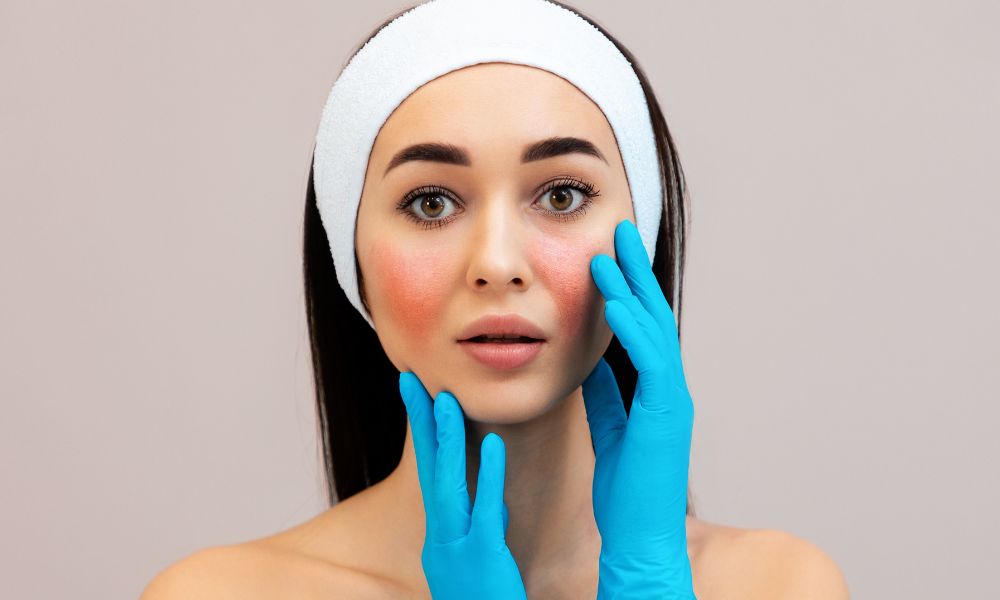
Is Cosmetic Tattooing Safe for Sensitive Skin?
Cosmetic tattooing, also known as permanent makeup or micropigmentation, has surged in popularity over recent years. From defined brows and perfectly tinted lips to eyeliner that never smudges, cosmetic tattooing offers the allure of effortless beauty. But if you have sensitive skin, you may be wondering: Is cosmetic tattooing really safe for me?
The short answer? Yes, with precautions.
This blog will walk you through everything you need to know before booking your appointment, from understanding your skin type to what questions to ask your technician. Let’s explore whether cosmetic tattooing is a smart choice for sensitive skin and how to minimize risks.
What Is Cosmetic Tattooing?
Cosmetic tattooing involves depositing pigment into the upper layers of the skin using a handheld device or machine. The goal is to enhance features like eyebrows (microblading or powder brows), lips (lip blush), or eyelids (eyeliner tattoo).
Unlike traditional tattoos, cosmetic tattoo pigments are designed to fade gradually over time, typically lasting 1–5 years depending on the treatment and skin type.
Sensitive Skin 101: What Does It Mean?
Sensitive skin reacts more readily to external triggers such as heat, skincare products, allergens, or even touch. Symptoms may include:
- Redness or blotchiness
- Itching or burning
- Dryness or flaking
- Inflammation or swelling
- A tendency toward allergies or irritation
People with eczema, rosacea, psoriasis, or allergic contact dermatitis often fall into this category.
Is Cosmetic Tattooing Safe for Sensitive Skin?
In general, cosmetic tattooing is safe for sensitive skin when performed by a licensed, experienced professional using hypoallergenic pigments. However, sensitive skin clients need to take extra care to avoid irritation, allergic reactions, or poor healing.
Here’s what to consider:
1. Patch Testing Is a Must
If you have sensitive skin, always request a patch test before committing to the full procedure. A patch test involves applying a small amount of pigment to your skin (usually behind the ear or on the inner arm) to see if a reaction occurs within 24–72 hours.
This step can help detect:
- Allergic reactions to pigment ingredients
- Sensitivity to numbing creams
- Reactions to aftercare products
Pro tip: Even if you’ve never had allergies before, always patch test with each new technician or pigment line.
2. Choose a Technician Who Specializes in Sensitive Skin
Not all cosmetic tattoo artists are experienced in working with sensitive skin. Look for a technician who:
- Has extensive training and certifications
- Uses high-quality, vegan, and hypoallergenic pigments
- Works in a sterile, licensed facility
- Is willing to answer your questions and tailor the experience to your needs
Ask if they have before-and-after photos of clients with sensitive skin and read their reviews carefully.
3. Ingredient Awareness: What’s in the Pigments?
High-quality cosmetic tattoo pigments are formulated to be gentle on the skin, but not all brands are created equal.
Avoid pigments that contain:
- Heavy metals (nickel, lead, chromium)
- Parabens
- Artificial dyes or preservatives
- Fragrances (yes, some pigments contain added scent)
Instead, look for brands that are:
- Certified organic or mineral-based
- Free from known irritants
- Tested for dermatological safety
4. Consider the Healing Process
Sensitive skin tends to react more strongly during healing, which may lead to:
- Prolonged redness or swelling
- Itchiness or dryness
- Slower pigment retention
- Higher chance of scabbing or flaking
That doesn’t mean you shouldn’t get cosmetic tattooing, it just means you need to follow aftercare instructions to the letter.
Common aftercare tips:
- Apply healing ointments as directed
- Avoid touching or scratching the area
- Stay away from active skincare ingredients (like retinoids, AHAs, vitamin C)
- Keep the area dry and protected from sun exposure
Your technician should provide a customized cosmetic tattoo aftercare plan that’s gentle enough for your skin type.
5. When to Avoid Cosmetic Tattooing
Even if you’re normally cautious, there are times when it’s best to wait or avoid the procedure altogether:
- During a flare-up of eczema, psoriasis, or dermatitis
- If you’re on certain medications (like Accutane or blood thinners)
- If you’re pregnant or breastfeeding
- If you’ve recently had a cosmetic procedure in the area (laser, filler, chemical peel)
Speak with your dermatologist or primary care provider if you have concerns about timing.
6. Natural Alternatives or Pre-Tattoo Prep
If you’re still on the fence, consider starting with tinting, henna brows, or makeup trials to see how your skin reacts to topical pigments.
Also, prepping your skin with a soothing skincare routine before your appointment can help reduce reactivity. Look for ingredients like:
- Centella Asiatica (calming)
- Colloidal Oatmeal (anti-inflammatory)
- Aloe Vera (soothing)
- Ceramides (barrier support)
Avoid harsh exfoliants, acids, or retinoids at least one week prior to your treatment.
Real Client Experiences
Many people with sensitive skin report positive outcomes with cosmetic tattooing when they take the right precautions. Here are a few quick testimonials:
“I have rosacea and was nervous about microblading, but my technician used special pigments and numbing gel for sensitive skin. I healed beautifully.”
– Maria, 38
“My skin is super reactive, so I had my eyeliner tattoo done in two short sessions. No swelling, no irritation!”
– Tasha, 42
Final Verdict: Yes, It Can Be Safe – With the Right Approach
If you have sensitive skin, cosmetic tattooing can be safe and effective, but you must be informed, cautious, and selective about your technician, pigments, and aftercare.
Here’s a quick checklist for sensitive skin clients:
- Do a patch test
- Choose an experienced, licensed technician
- Use hypoallergenic, clean pigments
- Follow a sensitive-skin-friendly aftercare routine
- Avoid harsh products before and after treatment
With the right care, you can enjoy the beauty benefits of cosmetic tattooing without compromising your skin’s health.
Have Questions or Concerns?
If you’re still unsure, speak to both your dermatologist and your cosmetic tattoo artist before making a decision. Every person’s skin is unique and you deserve a treatment plan that reflects that.