
How Long Does Lip Blush Last?
Lip blush has become one of the most popular semi-permanent cosmetic procedures in recent years and for good reason. It enhances your natural lip shape, adds healthy-looking color, and gives the appearance of fuller, more defined lips without fillers or daily lipstick.
But before booking an appointment, most people have the same question:
How long does lip blush actually last?
The short answer: Lip blush typically lasts 18–24 months, but results vary based on your skin type, lifestyle, and aftercare practices. Some people may enjoy results for up to three years, while others may choose to refresh their color annually.
Below, you’ll find a complete breakdown of what affects longevity, the fading process, how to maintain results, and whether touch-ups are necessary.
What Is Lip Blush? A Quick Overview
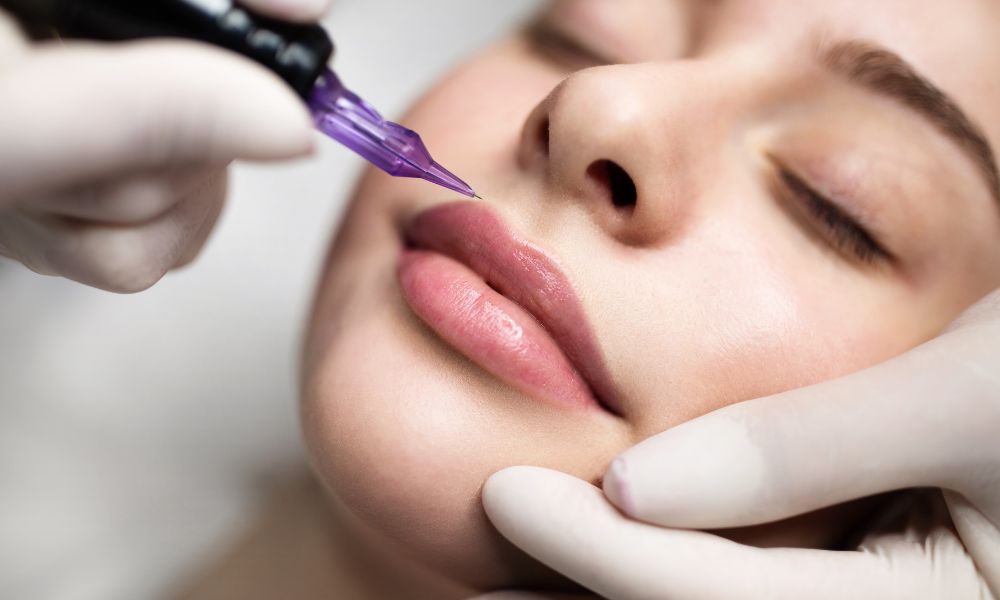
Lip blush (also known as lip tint tattooing or aquarelle lips) is a semi-permanent cosmetic tattoo technique that deposits pigment into the lips using a fine needle.
It enhances:
- Natural lip color
- Lip symmetry
- Definition along the vermillion border
- The appearance of fullness
It doesn’t create harsh lip-liner–style results. Instead, it gives a soft wash of color similar to a tinted balm or natural stain.
How Long Does Lip Blush Last?
Typical longevity: 18–24 months
On average, lip blush retains visible color for 1.5 to 2 years. However, the color begins to fade gradually even earlier.
Why does longevity vary?
Because the lips are a highly vascular, delicate area. The pigment sits more shallowly than traditional tattoos, so it naturally fades faster.
Factors That Affect How Long Lip Blush Lasts
1. Skin Type
- Oily skin: tends to fade faster because the skin regenerates more quickly.
- Dry or normal skin: holds pigment longer.
- Mature skin: may retain color well but can require more initial passes during application.
2. Lifestyle Habits
Certain habits accelerate fading:
- Sun exposure (UV light breaks down pigment)
- Smoking
- Frequent exfoliation
- Chlorine, saltwater, and saunas
- Using strong skincare products around the mouth
- Retinol
- AHAs/BHAs
- Benzoyl peroxide
3. Aftercare
Your aftercare routine is one of the biggest determinants of longevity.
Good aftercare includes:
- Keeping lips moisturized
- Avoiding picking or peeling
- No makeup on the lips during healing
- Avoiding spicy/acidic foods for a few days
- Avoiding intense exercise or sweating for 48 hours
- No kissing for at least 3–5 days
- Not submerging lips in water (pools, hot tubs) during healing
Poor aftercare can lead to:
- Patchy healing
- Premature fading
- Reduced color retention
4. Pigment Quality & Technique
Higher-quality pigments and advanced techniques used by experienced lip blush artists typically last longer and fade more evenly.
The Lip Blush Fading Timeline
Week 1–2: Healing Phase: Lips may appear bold, bright, or darker than expected, with scabbing and peeling; color typically lightens by 40–60%.
Weeks 4–6: Final Color Settles: This is when the true healed result becomes visible.
Months 6–12: Natural Fade Begins: The color remains soft but starts to slowly fade, influenced by lifestyle and habits.
18–24 Months: Refresh Recommended: By this time, most pigment has softened significantly, and many people schedule a touch-up to maintain their desired look.
How Often Do You Need a Touch-Up?
An initial touch-up is typically recommended 6–8 weeks after your first session to perfect the color, adjust the shape, and ensure the pigment heals evenly.
For maintenance, most people schedule refresh appointments based on their desired look: every 12–18 months for vibrant color, 18–24 months for a softer tint, and 24–36 months if they prefer a very natural fade-out.
Tips to Make Lip Blush Last Longer
If you want to extend longevity, follow these tips:
- Wear SPF lip balm every day to protect your lips from UV rays, which cause the fastest pigment fading.
- Keep your lips hydrated so they don’t become dry or flaky, which leads to quicker pigment loss.
- Avoid exfoliating lip products because scrubs, retinol, and acids can lighten or strip the color.
- Use gentle skincare around the mouth since strong actives can break down the pigment over time.
- Don’t smoke because nicotine and heat accelerate pigment fading.
Does Lip Blush Hurt?
Most artists apply topical numbing cream, making the procedure tolerable.
People generally describe the feeling as:
- Mild stinging
- Gentle scratching
- A strange vibration sensation
Pain level: 2–4 out of 10 for most clients.
How Lip Blush Looks as It Fades
As lip blush fades, the pigment usually softens and becomes more subtle, creating an even, natural-looking tint rather than a sharply defined color. This gradual lightening is part of the normal healing and aging process of the pigment.
In some cases, certain colors may shift slightly warmer or cooler depending on individual undertones. However, high-quality pigments are formulated to minimize noticeable color changes as they fade.
When Lip Blush May Not Last as Long
Your results may fade faster if you:
- Take frequent medications that thin the skin (e.g., Accutane—procedure is not recommended until 12 months after use)
- Have autoimmune skin conditions
- Suffer from cold sores (you must take antiviral medication before your appointment)
- Have very deep lip lines
- Are a heavy smoker
Final Takeaway: How Long Does Lip Blush Last?
Lip blush typically lasts 18–24 months on average, though results can range from 1 to 3 years depending on your skin type, lifestyle habits, and aftercare routine. It’s an excellent choice if you want naturally enhanced lips with long-lasting color and minimal maintenance, and with proper care, especially consistent sun protection, you can enjoy soft, beautiful lip color for years.