Who Is Not a Candidate for an Eyeliner Tattoo?
Permanent eyeliner, also known as cosmetic tattooing or micropigmentation, has become a popular beauty solution for people who want perfectly defined eyes without the daily effort. While the treatment can be transformative, it is not suitable for everyone. Understanding who should avoid or postpone an eyeliner tattoo is essential for both safety and satisfaction.
In this blog, we’ll explore who may not be an ideal candidate and why consulting a qualified professional is critical before booking your appointment.
What Is an Eyeliner Tattoo?
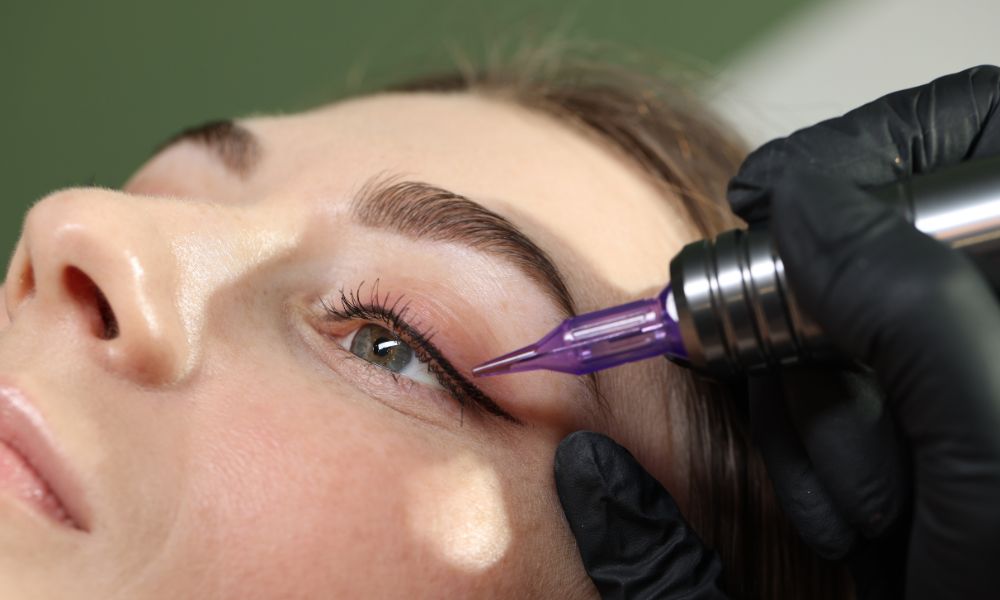
An eyeliner tattoo is a form of semi-permanent makeup where pigment is deposited along the lash line using a specialised cosmetic tattoo machine. The results can last from 1–5 years depending on skin type, lifestyle, and pigment choice.
While the idea of smudge-proof eyeliner sounds appealing, the procedure involves delicate skin, needles, and long-term pigment retention, so not everyone qualifies as a safe candidate.
Who Is NOT a Candidate for an Eyeliner Tattoo?
1. Pregnant or Breastfeeding Individuals
Most reputable technicians will refuse to perform cosmetic tattooing on pregnant or breastfeeding clients. Although there’s limited research showing direct harm, the concern lies in:
- Risk of infection
- Sensitivity to numbing agents
- Hormonal changes that may affect pigment retention
It’s safest to wait until after pregnancy and breastfeeding are complete.
2. People with Active Eye Infections or Conditions
If you currently have:
- Conjunctivitis (pink eye)
- Styes
- Blepharitis
- Severe dry eye
- Eye allergies
- Recent eye surgery (such as LASIK or cataract surgery)
You should postpone your appointment. Tattooing near an inflamed or healing eye can worsen irritation and delay recovery.
Clients who’ve had procedures like LASIK are often required to wait several months before undergoing cosmetic tattooing.
3. Individuals with Certain Medical Conditions
Some medical conditions may automatically disqualify you, while others require medical clearance.
Not Ideal Candidates Include:
- Uncontrolled diabetes
- Blood clotting disorders
- Autoimmune disorders
- Compromised immune systems
- Epilepsy (without medical clearance)
These conditions can increase the risk of infection, slow healing, or cause unpredictable pigment results.
If you have a chronic health condition, always consult your physician before scheduling an eyeliner tattoo.
4. People Prone to Keloid or Hypertrophic Scarring
If your skin forms raised scars easily after minor injuries, cosmetic tattooing may not be recommended. While the eyelid area is less prone to keloids than other parts of the body, the risk still exists.
A consultation and patch test are essential if you have a history of abnormal scarring.
5. Clients Taking Certain Medications
Some medications thin the blood or affect healing, including:
- Blood thinners (like warfarin)
- High-dose aspirin
- Accutane (within the past 6–12 months)
- Strong retinoids
- Some chemotherapy drugs
Blood thinners can cause excessive bleeding during the procedure, affecting pigment retention and healing quality.
Never stop medication without your doctor’s approval.
6. People with Extremely Oily or Very Thin Eyelid Skin
Skin type plays a major role in pigment retention. Clients with:
- Extremely oily skin
- Very loose or crepey eyelids
- Severely hooded eyes
May experience blurred pigment or uneven healing.
While these conditions don’t always disqualify someone completely, they may limit style options or reduce longevity.
7. Individuals with Unrealistic Expectations
An eyeliner tattoo is not a substitute for dramatic liquid liner or heavy glam makeup. It is typically designed to:
- Enhance lash density
- Define the eye subtly
- Provide a natural look
If someone expects thick, bold, perfectly symmetrical “Instagram-style” liner permanently, they may be disappointed.
A good candidate understands:
- The color will soften after healing.
- Touch-ups are required.
- Results evolve over time.
8. Those with Allergies to Pigments or Anesthetics
Although rare, pigment allergies can occur. Clients with a history of:
- Metal allergies
- Cosmetic dye reactions
- Lidocaine sensitivity
Should request a patch test before the procedure.
Allergic reactions near the eye are serious and must be avoided.
9. People Under 18
Most jurisdictions legally prohibit cosmetic tattooing for minors, even with parental consent. The face continues to mature into early adulthood, and preferences often change.
Permanent cosmetic decisions should be made responsibly and legally.
10. Anyone Who Cannot Commit to Aftercare
Aftercare is critical for proper healing. Candidates who:
- Swim regularly
- Use saunas frequently
- Rub their eyes often
- Cannot avoid eye makeup for 7–10 days
May not be ideal candidates.
Healing requires patience and adherence to instructions. Neglecting aftercare can lead to pigment loss, infection, or poor results.
When You May Need Medical Clearance
In some cases, you are not automatically disqualified but you will need written approval from a healthcare provider. This may apply if you:
- Have controlled diabetes
- Have thyroid disorders
- Take certain prescription medications
- Have had recent eye procedures
Safety always comes first.
Final Thoughts: Consultation Is Key
An eyeliner tattoo can be life-changing for the right candidate but it’s a medical-adjacent cosmetic procedure performed near one of the most sensitive areas of the body.
A professional artist should:
- Review your health history
- Conduct a consultation
- Explain risks clearly
- Require consent forms
If a technician skips these steps, that’s a red flag.
Bottom Line
You may not be a candidate for an eyeliner tattoo if you:
- Are pregnant or breastfeeding
- Have active eye infections
- Have uncontrolled medical conditions
- Take blood-thinning medications
- Scar easily
- Have severe skin conditions
- Have unrealistic expectations
- Cannot commit to aftercare
When in doubt, consult both a licensed cosmetic tattoo artist and your healthcare provider.
Beauty enhancements should enhance your life, not risk your health.