
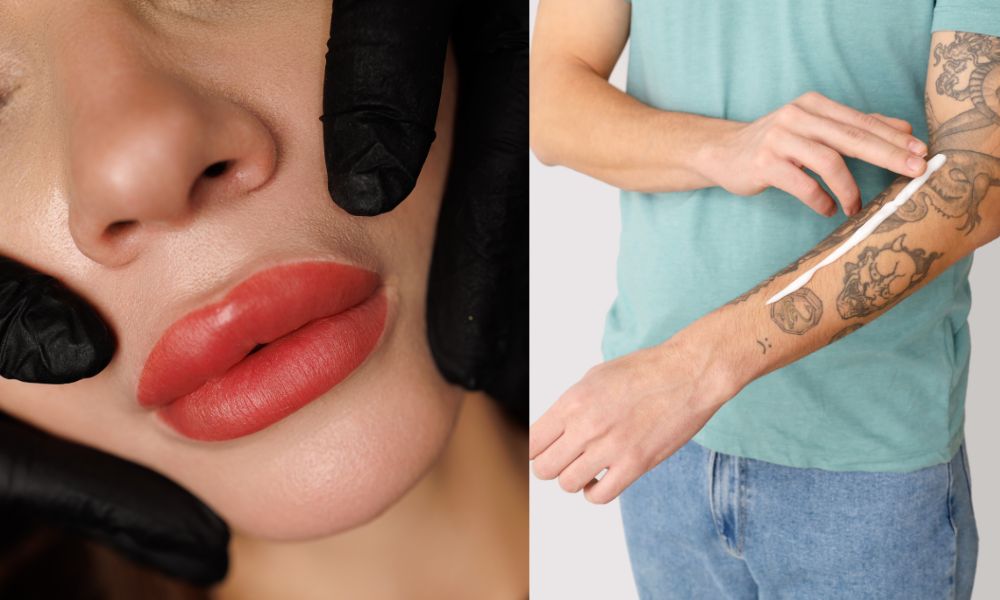
Difference Between a Cosmetic Tattoo & Traditional Tattoo
Tattoos have evolved far beyond bold body art and expressive sleeve designs. Today, the beauty industry has embraced a specialised form of tattooing known as cosmetic tattooing. While both cosmetic tattoos and traditional tattoos involve implanting pigment into the skin, their purpose, techniques, longevity, and overall goals are very different.
If you’re considering either procedure, understanding these differences will help you make an informed decision. Let’s explore how cosmetic tattoos compare to traditional tattoos in detail.
What Is a Cosmetic Tattoo?
A cosmetic tattoo, also called permanent makeup or micropigmentation, is a beauty procedure that enhances facial features by implanting pigment into the skin. Common areas include:
- Eyebrows (microblading or powder brows)
- Eyeliner
- Lip blush
- Scalp micropigmentation
The goal of cosmetic tattooing is to create a natural, subtle enhancement that mimics makeup. Rather than bold artistic expression, the focus is symmetry, definition, and convenience.
Cosmetic tattooing has become increasingly popular thanks to modern semi-permanent techniques such as Microblading and lip blush procedures. These treatments save time in daily routines and help individuals with sparse brows, uneven lips, or hair thinning feel more confident.
What Is a Traditional Tattoo?
A traditional tattoo is a form of body art created by inserting ink into the dermis layer of the skin using a tattoo machine. Designs range from small minimalist symbols to full-body artwork. Tattoos are often deeply personal and serve as a form of artistic self-expression.
Unlike cosmetic tattoos, traditional tattoos are typically meant to be permanent and visually striking. They may include:
- Illustrative artwork
- Script and lettering
- Cultural or symbolic imagery
- Portraits
- Abstract designs
Traditional tattooing is widely practiced in professional tattoo studios around the world and has strong roots in cultural and historical traditions.
Key Differences Between Cosmetic Tattoos and Traditional Tattoos
1. Purpose and Intent
The biggest difference lies in the goal.
Cosmetic Tattoo:Designed to enhance natural features and replicate makeup. The outcome should look soft and realistic.
Traditional Tattoo:mCreated for artistic, symbolic, or decorative purposes. The design is often bold and expressive.
Cosmetic tattooing focuses on beauty enhancement, while traditional tattooing focuses on personal art.
2. Depth of Pigment Placement
Both procedures deposit pigment into the skin, but at different depths.
- Cosmetic tattoos are implanted more superficially in the upper dermis.
- Traditional tattoos penetrate deeper into the dermis layer.
Because cosmetic pigment is placed more shallowly, it fades faster over time. Traditional tattoos last much longer due to deeper ink saturation.
3. Type of Pigment Used
The pigments used are also different.
Cosmetic tattoos use iron oxide–based pigments designed to fade gradually and change softly over time. These pigments are formulated specifically for facial skin.
Traditional tattoos use stronger, more concentrated inks designed for long-term permanence and vibrancy.
The chemical composition and color retention vary significantly between the two.
4. Longevity
Cosmetic tattoos are often referred to as “semi-permanent,” although this can vary depending on skin type and lifestyle.
- Cosmetic tattoos typically last 1–3 years before needing a touch-up.
- Traditional tattoos are considered permanent, though they may fade slightly over decades.
Factors such as sun exposure, skincare products, and skin type influence fading in both cases.
5. Technique and Tools
Cosmetic tattoo artists often use specialised digital machines or manual handheld tools for procedures like microblading. These tools create fine, hair-like strokes or soft shading.
Traditional tattoo artists use electric tattoo machines designed to create consistent, deeper ink insertion for bold lines and shading.
While both require skill and training, the techniques differ significantly due to the desired outcome.
6. Pain Level
Pain tolerance varies from person to person, but cosmetic tattoos are generally considered less painful.
Reasons include:
- Shallower pigment placement
- Smaller treatment areas
- Use of topical numbing creams
Traditional tattoos may involve larger areas and deeper penetration, which can increase discomfort.
7. Healing Process
The healing process differs slightly as well.
Cosmetic Tattoo Healing:
- Initial darkening of pigment
- Mild scabbing or flaking
- Full healing within 4–6 weeks
- Requires a touch-up session
Traditional Tattoo Healing:
- Redness and swelling
- Peeling and scabbing
- Healing typically takes 2–4 weeks
Aftercare is critical for both, but cosmetic tattoo aftercare often involves avoiding makeup and skincare actives on the treated area.
8. Color Changes Over Time
Cosmetic tattoos are designed to fade naturally and evenly. However, if performed incorrectly, pigments can shift to ashy or warm tones.
Traditional tattoos may fade or blur over time but generally retain their base color longer due to deeper ink placement.
Laser removal is possible for both, but cosmetic tattoos often require fewer sessions because pigment is more superficial.
9. Regulation and Training
Both industries require proper licensing and sanitation standards, but cosmetic tattooing often involves additional aesthetic training. Practitioners may have backgrounds in beauty therapy, esthetics, or dermatology.
Organisations such as the Society of Permanent Cosmetic Professionals promote safety standards and continuing education in the cosmetic tattoo industry.
Choosing a certified, experienced professional is essential for either procedure.
Which One Is Right for You?
Choosing between a cosmetic tattoo and a traditional tattoo depends entirely on your goal.
You may prefer a cosmetic tattoo if:
- You want to save time on daily makeup
- You have sparse brows or uneven lip color
- You prefer subtle, natural-looking enhancement
You may prefer a traditional tattoo if:
- You want artistic self-expression
- You’re committed to permanent body art
- You enjoy bold or intricate designs
Both options can be empowering when done thoughtfully and professionally.
Can Cosmetic Tattoos Be Removed?
Yes. Cosmetic tattoos can be removed or lightened using laser technology, similar to traditional tattoos. However, removal outcomes vary depending on pigment type and depth.
Because cosmetic pigments are lighter and more superficial, they often respond more quickly to removal treatments compared to traditional tattoo ink.
Final Thoughts
While cosmetic tattoos and traditional tattoos share a similar foundation, implanting pigment into the skin, their purposes, techniques, and longevity differ significantly.
Cosmetic tattooing enhances natural beauty with subtle, semi-permanent results. Traditional tattooing celebrates individuality and artistic expression with long-lasting designs.
Understanding these differences helps you choose the option that aligns with your aesthetic goals and lifestyle. No matter which route you take, always research your artist, review their portfolio, and ensure they follow proper hygiene and safety standards.
A tattoo, cosmetic or traditional, is an investment in your appearance. Make sure it’s one you’ll love for years to come.