Can You Get Skin Needling When Pregnant?
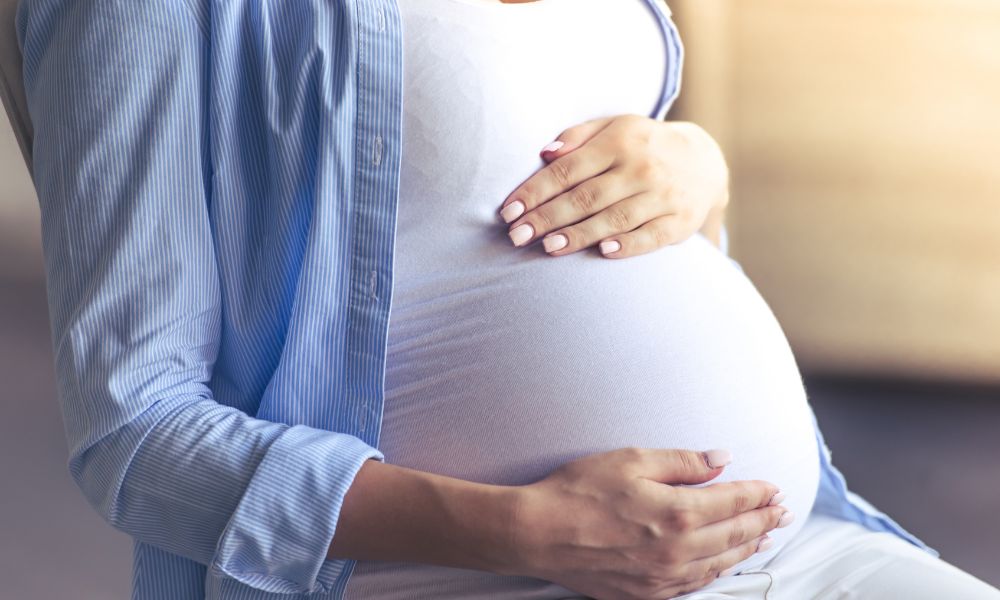
Pregnancy is a beautiful journey that brings many physical, emotional, and hormonal changes. For many women, these changes include shifts in their skin — increased sensitivity, hormonal acne, hyperpigmentation (like melasma), and a general feeling of “skin fatigue.” With so many transformations happening, it’s only natural to seek skincare treatments that can help you look and feel your best. One popular procedure that often comes up is skin needling, also known as microneedling.
But the question arises: Is skin needling safe during pregnancy?
Let’s dive into the details.
What Is Skin Needling?
Skin needling, or microneedling, is a minimally invasive cosmetic procedure that uses fine needles to create tiny punctures (micro-injuries) in the top layer of the skin. This triggers the body’s natural wound healing response, stimulating the production of collagen and elastin, two proteins essential for firm, smooth, and youthful-looking skin.
Microneedling can address:
- Fine lines and wrinkles
- Acne scars
- Stretch marks
- Enlarged pores
- Pigmentation issues
- Uneven skin tone and texture
It can be performed professionally (in-clinic) using advanced devices like Dermapen or SkinPen, or at home using dermarollers — although at-home versions are generally much less effective and can carry risks if not used properly.
Why Consider Skin Needling During Pregnancy?
During pregnancy, many women experience skin concerns such as:
- Hormonal acne due to increased oil production
- Melasma (also known as the “mask of pregnancy”), a type of hyperpigmentation
- Stretch marks, especially on the belly, thighs, and breasts
- Loss of skin elasticity due to hormonal shifts
Given that microneedling is known to target some of these issues, it’s understandable that pregnant women might be interested in trying it. But is it a good idea while you’re expecting?
Is Microneedling Safe During Pregnancy?
The Short Answer: Generally, no. It is not recommended.
While there is no absolute ban or universal medical rule prohibiting microneedling during pregnancy, most dermatologists and cosmetic professionals advise against it. Here’s why:
1. Increased Skin Sensitivity
Pregnancy hormones make your skin more reactive and sensitive. Treatments that may have been well-tolerated before can now cause irritation, inflammation, or even allergic reactions. Microneedling, which intentionally creates controlled trauma to the skin, may be too harsh for the sensitive skin of a pregnant woman.
2. Risk of Infection
Microneedling involves creating tiny punctures in the skin, which can slightly increase the risk of infection if not performed under sterile conditions. During pregnancy, the immune system is altered, making it more important to avoid any unnecessary risk — no matter how small.
3. Lack of Research on Pregnant Women
There is a significant lack of clinical studies testing the safety of microneedling during pregnancy. In the absence of clear evidence, most medical professionals err on the side of caution and recommend avoiding it.
4. Topical Products Used in Microneedling May Not Be Safe
Microneedling often involves the use of topical products — serums, numbing creams, or aftercare treatments. Many of these contain active ingredients like:
- Retinol (vitamin A)
- Vitamin C
- Growth factors
- Hyaluronic acid
Some of these, especially retinol, are not considered safe during pregnancy and can pose risks to fetal development if absorbed into the bloodstream. Even if the product itself is safe, microneedling enhances absorption, which could introduce these ingredients into the body at higher levels.
Alternatives to Microneedling During Pregnancy
If you’re experiencing skin issues during pregnancy and want safe, effective alternatives, consider the following:
✅ Pregnancy-Safe Skincare:
- Gentle cleansers and moisturizers
- Niacinamide (safe and helps with pigmentation and acne)
- Azelaic acid (good for melasma and acne)
- Mineral sunscreens (zinc oxide or titanium dioxide)
- Vitamin C (in moderation and under guidance)
✅ Facials Designed for Pregnancy:
Many spas offer facials that are specifically tailored to expecting mothers — using only pregnancy-safe ingredients and techniques.
✅ Hydrafacials:
Some versions of hydrafacials may be appropriate, though you should consult with your provider to ensure the serums used are baby-safe.
✅ Cold Therapy & LED Light Therapy:
These can soothe inflamed skin and promote healing without the use of harsh chemicals or invasive techniques.
Postpartum: When Is It Safe to Resume Skin Needling?
Once you’ve given birth and completed your initial postpartum healing, it’s generally safe to consider microneedling again — especially if you’re no longer breastfeeding. However, even during breastfeeding, some providers will allow it, provided that pregnancy-restricted topicals (like retinol) are avoided.
Always consult your healthcare provider or a dermatologist before resuming any treatments.
Final Thoughts: Pregnancy First, Beauty Second (But Not Forgotten)
While it’s natural to want to maintain your skin and confidence during pregnancy, your body’s priority is creating a healthy environment for your baby. Microneedling, though effective, carries potential risks that outweigh the benefits for most expecting moms. Fortunately, there are many safe and gentle alternatives that can help you look and feel your best during this special time.
After your little one arrives, you’ll have plenty of opportunities to pamper yourself again — and your skin will thank you for waiting.
TL;DR:
- Skin needling is not recommended during pregnancy due to increased skin sensitivity, risk of infection, and the use of unsafe topical ingredients.
- Opt for pregnancy-safe alternatives like niacinamide, azelaic acid, and gentle facials.
- Resume microneedling postpartum, ideally after consulting with your healthcare provider.