
How to Remove Old Cosmetic Tattoos Safely
Cosmetic tattooing, also known as permanent makeup or micropigmentation, has become increasingly popular for enhancing eyebrows, eyeliner, and lips. However, as time passes, tastes change, pigments fade, and techniques evolve. What was once the perfect brow shape or lip tint may now look outdated or uneven.
If you’re thinking about removing or correcting an old cosmetic tattoo, the good news is that safe and effective options are available. But not all methods are created equal, and choosing the right approach is key to protecting your skin and achieving the best results.
In this comprehensive guide, we’ll explore how to safely remove old cosmetic tattoos, including the most effective methods, what to expect, and how to care for your skin throughout the process.
Why Cosmetic Tattoos Fade or Change Over Time
Cosmetic tattoos are different from body art tattoos. They use finer pigments and are placed shallower in the skin. Over time, several factors can cause these pigments to fade, blur, or change color:
- Sun exposure: UV rays break down tattoo pigments.
- Skin renewal: The skin naturally exfoliates, gradually pushing pigment closer to the surface.
- Pigment quality: Low-quality or iron oxide–based pigments can oxidize, turning ashy, red, or blue.
- Aging skin: As skin elasticity decreases, tattoo shapes may distort.
When these changes become noticeable, many people seek removal or correction to restore a more natural look.
Safe Methods to Remove Old Cosmetic Tattoos
1. Laser Tattoo Removal
Best for: Most eyebrow, eyeliner, and lip tattoos (depending on pigment color)
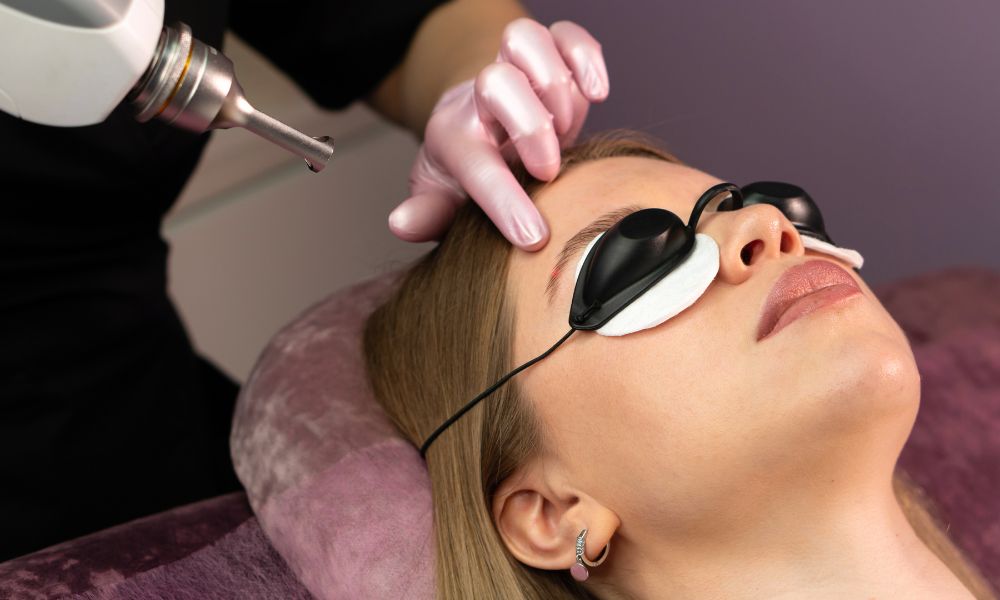
Laser removal is the most common and clinically proven method for eliminating old cosmetic tattoos. It works by emitting short bursts of light that break pigment particles into smaller fragments, which your immune system gradually clears away.
Pros:
- Highly effective for fading or full removal
- Minimal scarring risk with a skilled technician
- Works on most pigment colors (especially dark ones)
Cons:
- Multiple sessions needed (usually 4–10)
- Can cause temporary redness or swelling
- Certain pigments (especially light or titanium-based) may resist laser treatment or darken temporarily
Important Tip: Always choose a licensed, experienced laser specialist familiar with cosmetic tattoo pigments, not just traditional tattoo inks. The skin around the eyes and lips is delicate and requires precise handling.
2. Saline Tattoo Removal (Salt & Saline Solution)
Best for: Brows, lip liner, or small cosmetic tattoos
This gentle, non-laser technique uses a saline solution (often containing ingredients like purified salt and aloe) to lift pigment out of the skin. The solution is tattooed into the area, creating a controlled scab that draws pigment to the surface as it heals.
Pros:
- Effective on all pigment colors
- Safer for sensitive areas like around the eyes or lips
- Minimal risk of pigment darkening
Cons:
- Requires multiple sessions
- Healing time between sessions (6–8 weeks)
- Mild discomfort and temporary scabbing
Saline removal is especially popular among permanent makeup artists because it allows for gradual fading rather than complete pigment erasure, making it easier to correct or re-tattoo afterward.
3. Glycolic Acid or Chemical Removal
Best for: Superficial or lightly pigmented tattoos
Some removal specialists use glycolic acid or lactic acid–based solutions to lighten unwanted pigment. These methods are less common but can be effective for surface-level cosmetic tattoos.
Pros:
- Suitable for those who can’t undergo laser treatment
- Can be used to lighten pigment before correction
Cons:
- Must be done by a trained technician
- Risk of irritation, scarring, or uneven fading if done improperly
Always ensure the practitioner uses professional-grade products and follows proper sterilisation and aftercare procedures.
4. Color Correction (Camouflage Tattooing)
Best for: Slightly faded or discolored cosmetic tattoos
If you don’t want to remove the tattoo completely, a skilled permanent makeup artist can neutralise or correct unwanted colors by implanting new pigments. For example, orange-based pigments can counteract blueish brows.
Pros:
- Quick and less invasive
- Can restore natural tones
- Often requires fewer sessions than full removal
Cons:
- Doesn’t remove pigment, only corrects color
- Needs an expert color technician for natural-looking results
This is often a great solution for those who simply want to refresh or fix old cosmetic tattoos rather than remove them entirely.
What to Expect During the Removal Process
Every person’s experience will vary based on factors like pigment type, skin tone, and removal method. Here’s what you can generally expect:
- Consultation: A qualified technician will assess your skin, pigment color, and tattoo age to choose the safest method.
- Treatment Sessions: Each session typically lasts 30–60 minutes, depending on the size and location.
- Healing Phase: Expect mild redness, swelling, or scabbing for a few days to weeks post-treatment.
- Multiple Sessions: Gradual fading is safest, aggressive removal can cause scarring or pigment migration.
Always follow aftercare instructions carefully to prevent infection and ensure optimal healing.
Essential Aftercare Tips
Proper aftercare is crucial to achieving the best results and maintaining healthy skin:
- Keep the area clean and dry for the first few days.
- Avoid makeup and sun exposure until fully healed.
- Do not pick or scratch at any scabs or flakes.
- Apply recommended ointments (like healing balms or antibiotic creams) as directed.
- Stay hydrated and protect with SPF once healed.
Good aftercare can make a big difference in how well your skin recovers and how evenly the pigment fades.
How to Choose the Right Professional
Because cosmetic tattoo removal involves delicate facial skin, it’s vital to choose a certified, experienced professional. Look for:
- Licensing and training in tattoo removal or permanent makeup
- Before-and-after photos of previous clients
- Transparent explanation of risks, costs, and aftercare
- Positive reviews or referrals
Avoid at-home removal kits or unregulated treatments, these often cause burns, scarring, or infection.
Final Thoughts
Removing an old cosmetic tattoo is entirely possible with today’s advanced techniques but safety should always come first. Whether you choose laser, saline, or correction, the key is patience and professional care.
Your skin deserves gentle treatment, expert guidance, and time to heal. With the right approach, you can safely refresh your look and feel confident again, without the lingering traces of outdated ink.
Key Takeaway:
The safest way to remove old cosmetic tattoos is through professional, medically approved methods performed by a qualified technician, never at home. A gradual, customised approach ensures beautiful, natural results and healthy skin.