Can You Tattoo Over a Scar?
Tattooing over scars is a topic that sparks curiosity for many people looking to transform their skin’s appearance. Whether it’s to cover a scar for aesthetic reasons or to reclaim a sense of ownership over their body, tattooing over scars is a popular choice. But is it safe? What types of scars can be tattooed over, and what should you consider before getting inked? In this comprehensive guide, we’ll explore everything you need to know about tattooing over scars, including the process, risks, best practices, and aftercare tips to ensure the best results.
What Is Tattooing Over a Scar?
Tattooing over a scar involves applying ink to an area of the skin where scar tissue has formed, typically to mask or enhance the scar’s appearance. Scar tissue differs from normal skin in texture, thickness, and elasticity, which can make the tattooing process more complex. However, with the right approach, a skilled tattoo artist can create stunning designs that blend seamlessly with the surrounding skin or turn a scar into a work of art.
Why People Choose to Tattoo Over Scars
There are several reasons why individuals opt to tattoo over scars:
- Aesthetic Improvement: Scars, especially those that are prominent or discolored, can be visually distracting. A tattoo can camouflage the scar, making it less noticeable.
- Emotional Healing: For many, scars are tied to traumatic events, such as surgeries, accidents, or self-harm. Tattooing over them can be a powerful way to reclaim control and create a positive association with the area.
- Artistic Expression: Scars can serve as a unique canvas for meaningful tattoos, turning something perceived as a flaw into a beautiful piece of body art.
Types of Scars That Can Be Tattooed Over
Not all scars are suitable for tattooing, and the type of scar plays a significant role in determining whether it can be safely tattooed. Below are the most common types of scars and their suitability for tattooing:
1. Hypertrophic Scars
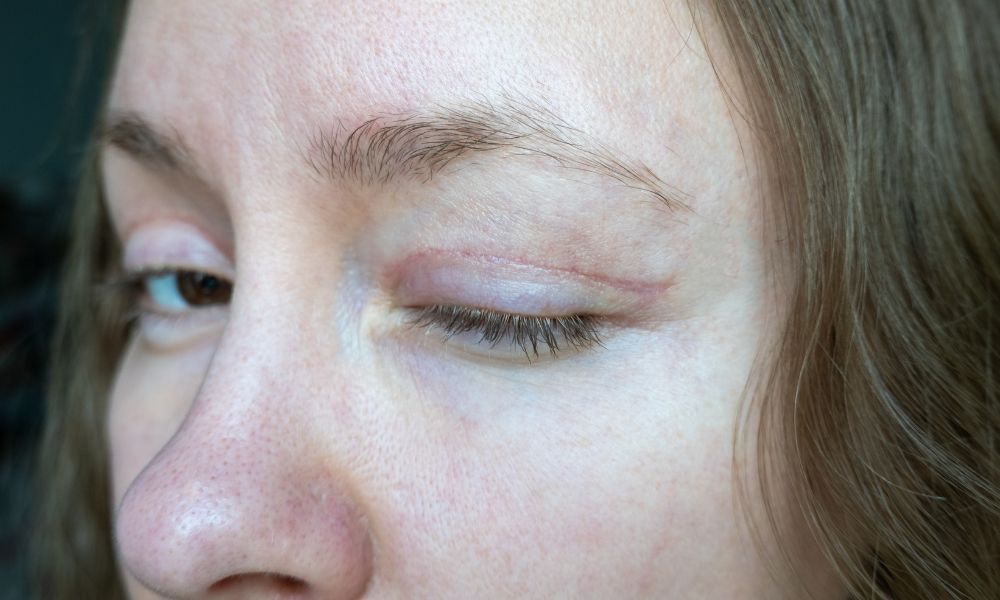
Hypertrophic scars are raised, red scars that form due to excess collagen production during the healing process. These scars are often thicker than the surrounding skin but remain within the boundaries of the original wound.
- Tattooing Feasibility: Hypertrophic scars can often be tattooed over once they have fully healed, which typically takes at least one to two years. The raised texture may affect how the ink settles, so an experienced artist is crucial.
2. Atrophic Scars
Atrophic scars are sunken or pitted scars, commonly seen with acne or chickenpox scars. These scars form when the skin loses collagen, creating a depression.
- Tattooing Feasibility: Atrophic scars can be challenging to tattoo over because the sunken areas may not hold ink evenly. Some artists use techniques like micro-pigmentation or specific shading to minimise the appearance of these scars.
3. Keloid Scars
Keloid scars are raised scars that extend beyond the original wound’s boundaries due to excessive scar tissue growth. They are more common in individuals with darker skin tones.
- Tattooing Feasibility: Keloid scars are generally not recommended for tattooing. The process of tattooing can trigger further keloid formation, worsening the scar. Consult with a dermatologist before considering a tattoo over a keloid.
4. Surgical Scars
Surgical scars result from medical procedures and can vary in size, depth, and texture depending on the surgery and healing process.
- Tattooing Feasibility: Many surgical scars can be tattooed over once fully healed (typically 12–18 months post-surgery). The success depends on the scar’s thickness and the surrounding skin’s condition.
5. Burn Scars
Burn scars can range from superficial to deep, affecting the skin’s texture and elasticity significantly.
- Tattooing Feasibility: Tattooing over burn scars is possible in some cases, but it’s highly dependent on the scar’s severity and age. Deep burn scars may not hold ink well, and the process can be more painful due to nerve damage.
Factors to Consider Before Tattooing Over a Scar
Before deciding to tattoo over a scar, there are several important factors to keep in mind:
1. Scar Age and Healing
Most tattoo artists recommend waiting at least one to two years after a scar forms before attempting to tattoo over it. This allows the scar tissue to stabilise and fully heal. Tattooing over an unhealed or still-maturing scar can lead to complications like poor ink retention or further scarring.
2. Skin Sensitivity
Scar tissue is often more sensitive than normal skin, which can make the tattooing process more painful. Additionally, some scars may have nerve damage, leading to unpredictable sensations during tattoo Scenario.
3. Ink Retention
Scar tissue doesn’t absorb ink the same way healthy skin does. This can result in uneven color, fading, or a patchy appearance. An experienced tattoo artist can adjust their technique to account for this, but results may still vary.
4. Tattoo Artist Expertise
Not all tattoo artists are skilled in working with scar tissue. Look for an artist with experience in scar cover-ups, as they’ll know how to adapt their techniques to achieve the best results.
5. Health Risks
Tattooing over scars carries some risks, including infection, prolonged healing, or worsening of the scar (especially in keloid-prone individuals). Always consult with a dermatologist or medical professional if you have concerns about your skin’s condition.
The Tattooing Process for Scars
Here’s what to expect when getting a tattoo over a scar:
1. Consultation
Start with a consultation with your tattoo artist. They’ll assess the scar’s type, age, and texture to determine if it’s suitable for tattooing. Be honest about the scar’s history and any medical conditions you have.
2. Design Selection
The design plays a critical role in successfully covering a scar. Bold, detailed designs with shading or color are often more effective at masking scars than minimalist or light designs. Your artist may suggest incorporating the scar into the design, using its shape or texture creatively.
3. Tattooing Session
During the tattoo session, the artist will use specialised techniques to work with the scar tissue. This may include adjusting needle depth, using specific inks, or applying multiple layers to ensure even coverage. The process may take longer than a standard tattoo due to the scar’s unique properties.
4. Aftercare
Proper aftercare is essential to ensure the tattoo heals well and the scar doesn’t worsen. Follow your artist’s instructions, which may include:
- Keeping the area clean and moisturised.
- Avoiding sun exposure to prevent fading.
- Refraining from picking or scratching the tattoo.
- Watching for signs of infection or irritation.
Risks and Challenges of Tattooing Over Scars
While tattooing over scars can yield beautiful results, there are potential risks to be aware of:
- Uneven Ink Distribution: Scar tissue may not hold ink consistently, leading to fading or patchiness over time.
- Increased Pain: Scarred areas can be more sensitive, making the tattooing process more uncomfortable.
- Infection Risk: Any tattoo carries a risk of infection, but scar tissue may be more prone to complications if not properly cared for.
- Scar Reactivation: In rare cases, tattooing over a scar can trigger further scarring, especially with keloids.
- Fading Over Time: Tattoos on scars may fade faster than those on healthy skin, requiring touch-ups.
Tips for a Successful Scar Cover-Up Tattoo
To maximise your chances of a successful tattoo over a scar, follow these tips:
- Choose an Experienced Artist: Look for a tattoo artist who specialises in scar cover-ups. Check their portfolio for examples of similar work.
- Be Patient: Wait until your scar is fully healed before getting a tattoo. Rushing the process can lead to poor results.
- Opt for Bold Designs: Designs with heavy shading, vibrant colors, or intricate patterns are better at concealing scars.
- Consult a Dermatologist: If you’re unsure about your scar’s suitability for tattooing, seek advice from a dermatologist.
- Follow Aftercare Instructions: Proper aftercare is critical to prevent complications and ensure the tattoo looks its best.
Alternatives to Tattooing Over Scars
If tattooing over a scar isn’t an option due to health concerns or scar type, consider these alternatives:
- Micropigmentation: Also known as medical tattooing, this technique uses specialised pigments to blend scars with the surrounding skin.
- Scar Camouflage Makeup: Temporary makeup solutions can conceal scars without the permanence of a tattoo.
- Laser Treatments: Laser therapy can reduce the appearance of scars, making them less noticeable without tattooing.
- Scar Revision Surgery: In some cases, surgical intervention can improve the scar’s appearance before considering a tattoo.
FAQs About Tattooing Over Scars
1. Can you tattoo over self-harm scars?
Yes, self-harm scars can often be tattooed over, provided they are fully healed (typically 1–2 years old). Many people find this to be a transformative and empowering experience. Work with an artist experienced in scar cover-ups to ensure the best results.
2. How long should I wait to tattoo over a scar?
Most artists recommend waiting at least 12–18 months, or until the scar is fully healed and stable. Consult with your tattoo artist and a dermatologist for personalised advice.
3. Does tattooing over scars hurt more?
Scar tissue can be more sensitive, so tattooing over it may be more painful than tattooing on healthy skin. However, pain levels vary depending on the scar’s location and your pain tolerance.
4. Can all scars be tattooed over?
Not all scars are suitable for tattooing. Keloid scars, for example, are often not recommended due to the risk of further scarring. Always consult with a professional to assess your scar’s suitability.
5. Will the tattoo fade faster on a scar?
Tattoos on scar tissue may fade faster than those on normal skin due to the tissue’s different texture and ink retention properties. Regular touch-ups can help maintain the tattoo’s appearance.
Conclusion
Tattooing over a scar can be a transformative and empowering experience, whether you’re looking to conceal a scar or turn it into a meaningful piece of art. However, the process requires careful consideration, including choosing the right artist, ensuring the scar is fully healed, and understanding the potential risks. By following the tips and guidelines outlined in this article, you can make an informed decision and achieve a beautiful, lasting result.
If you’re considering tattooing over a scar, consult with an experienced tattoo artist and a dermatologist to discuss your options. With the right approach, your scar can become a canvas for creativity and self-expression.