
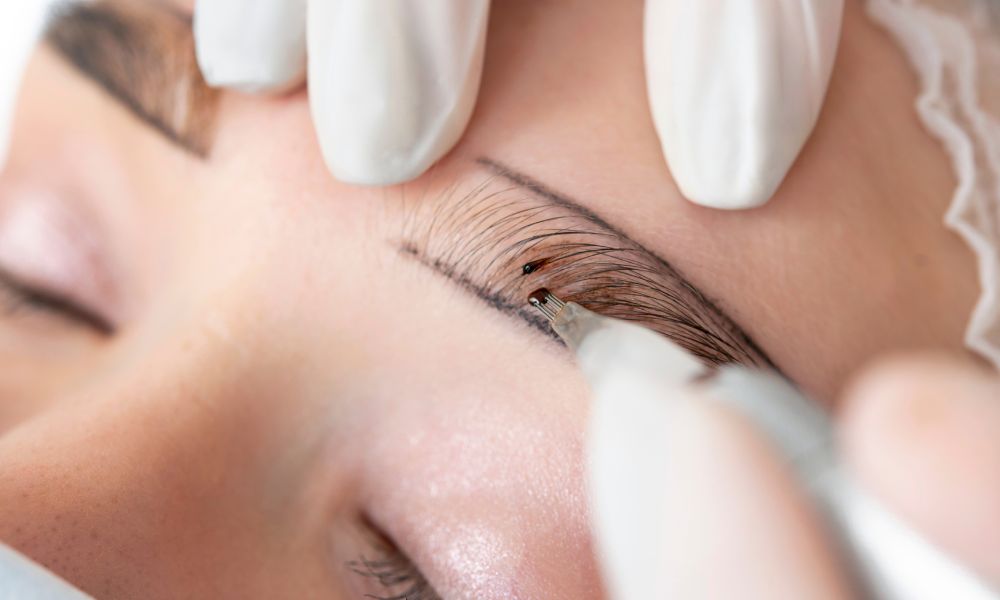
Why Cosmetic Tattoos Fade Faster for Some People
Cosmetic tattoos, also known as permanent makeup, are a popular beauty solution for enhancing eyebrows, lips, eyeliner, and even scalp appearance. Although these procedures are designed to last longer than traditional makeup, not everyone experiences the same results. Some people enjoy long-lasting color for years, while others notice fading within a few months.
The truth is that cosmetic tattoo longevity depends on several factors, including skin type, lifestyle, aftercare, and even the body’s natural immune response. Understanding these reasons can help clients maintain their results and know what to expect after treatment.
1. Skin Type Has a Huge Impact
Your skin type is one of the biggest reasons why cosmetic tattoos may fade faster.
People with oily skin often struggle with pigment retention because excess oil can push pigment out of the skin over time. This is especially noticeable with microblading and powder brows. Hair strokes may blur, soften, or disappear much quicker on oily skin compared to dry skin.
Skin types that may experience faster fading:
- Oily skin
- Large pores
- Acne-prone skin
- Sensitive skin with frequent irritation
On the other hand, dry or balanced skin usually holds pigment longer because the skin surface is more stable during healing.
2. Your Immune System Removes Pigment Naturally
Many people do not realise that cosmetic tattoo pigment is treated as a foreign substance by the body. During the healing process, the immune system works to break down and remove some pigment particles.
For people with highly active immune systems, fading can happen more quickly.
This is common in individuals who:
- Exercise intensely
- Have fast metabolisms
- Heal very quickly
- Maintain extremely active lifestyles
While this is completely normal, it means some people naturally require more touch-ups than others.
3. Sun Exposure Causes Faster Fading
Sunlight is one of the biggest enemies of cosmetic tattoos. UV rays break down pigment beneath the skin, causing colors to become lighter and less vibrant over time.
People who spend a lot of time outdoors without sunscreen often notice fading much sooner.
Areas most affected by sun exposure:
- Eyebrows
- Lip blush tattoos
- Eyeliner tattoos
Tanning beds can also damage pigment and even change the tattoo color over time. Daily SPF protection is one of the easiest ways to make cosmetic tattoos last longer.
4. Skincare Products Can Fade Permanent Makeup
Modern skincare products are excellent for anti-aging and exfoliation, but many of them can slowly fade cosmetic tattoos.
Ingredients that increase skin cell turnover may gradually remove pigment from the skin.
Common ingredients that contribute to fading:
- Retinol
- Glycolic acid
- Salicylic acid
- Vitamin A treatments
- Chemical exfoliants
If these products are regularly used around the brows, lips, or eyes, cosmetic tattoos may fade much faster than expected.
Professional skin treatments can also impact pigment retention, including:
- Chemical peels
- Laser resurfacing
- Microdermabrasion
- Facials with exfoliation
5. Healing Aftercare Matters More Than People Think
The healing stage is extremely important for long-lasting cosmetic tattoos. Poor aftercare can lead to patchy healing, uneven color, or early fading.
Many clients accidentally remove pigment during the healing process by touching, scratching, or over-cleansing the area.
Common aftercare mistakes:
- Picking scabs
- Excessive sweating
- Swimming too soon
- Using harsh skincare products
- Sleeping on the tattooed area
Following the artist’s aftercare instructions carefully gives the pigment the best chance to settle properly into the skin.
6. Pigment Quality and Tattoo Technique
Not all cosmetic tattoo procedures are performed the same way. The skill of the artist plays a major role in how well pigment lasts.
If pigment is implanted too shallowly, it may disappear during healing. If implanted too deeply, the color can blur or heal unevenly.
High-quality pigments also last longer and fade more naturally. Cheap or low-grade pigments may:
- Fade unevenly
- Turn gray or orange
- Lose color quickly
- Heal patchy
This is why choosing an experienced cosmetic tattoo artist is extremely important.
7. Age and Skin Regeneration
Younger skin often renews itself more quickly than mature skin. Faster skin regeneration means pigment can fade sooner.
However, mature skin comes with its own challenges, such as:
- Thin skin
- Reduced elasticity
- Dryness
- Slower healing
Hormonal changes can also affect cosmetic tattoo retention. Pregnancy, menopause, and hormonal imbalances sometimes change how the skin heals and holds pigment.
8. Lifestyle Habits Affect Longevity
Daily habits can influence how long cosmetic tattoos remain visible.
People with highly active lifestyles may experience faster fading because increased circulation and sweat can gradually break down pigment.
Lifestyle factors linked to quicker fading:
- Frequent swimming
- Sauna use
- Heavy workouts
- Smoking
- Excessive sun exposure
Even stress and poor skincare routines may affect overall skin health and pigment retention.
9. Some Colors Fade Faster Than Others
Not all pigments fade at the same rate. Lighter colors naturally disappear faster than darker shades.
For example:
- Soft lip blush tones fade quicker
- Light brown brows may lose intensity faster
- Pastel pigments often require more maintenance
Skin undertones also influence how colors heal and fade over time.
This is why touch-up appointments are considered a normal part of cosmetic tattoo maintenance.
Tips to Make Cosmetic Tattoos Last Longer
Although fading is natural, there are several ways to keep cosmetic tattoos looking fresh for longer.
Helpful maintenance tips:
- Wear sunscreen daily
- Avoid harsh exfoliants near the tattoo
- Keep skin moisturised
- Follow aftercare instructions carefully
- Schedule regular touch-ups
- Choose an experienced artist
Small habits can make a big difference in maintaining beautiful results.
Final Thoughts
Cosmetic tattoos fade differently for every person. Factors such as skin type, immune response, sun exposure, skincare products, and lifestyle all play a role in how long pigment lasts.
While fading is completely normal, proper care and maintenance can greatly extend the life of permanent makeup. Choosing a skilled cosmetic tattoo artist and protecting the skin properly will help keep results looking fresh, natural, and beautiful for years.