What Is Included in a Professional Microblading Training Course?
Microblading has become one of the most sought-after cosmetic tattoo treatments, helping clients achieve fuller, natural-looking eyebrows with long-lasting results. As demand for skilled artists continues to grow, many beauty professionals are enrolling in microblading training courses to expand their services and build rewarding careers.
However, not all training courses are created equal. A professional microblading course should provide comprehensive theoretical knowledge, practical experience, and ongoing support to prepare students for real-world success.
Here’s what you can expect from a high-quality professional microblading training course.
Introduction to Microblading
Every professional course begins with an introduction to the fundamentals of microblading.
Students learn:
- What microblading is
- How it differs from eyebrow tattooing
- Benefits and limitations of the treatment
- Suitable client types
- Contraindications
- Industry trends
Understanding the basics creates a strong foundation before moving into practical skills.
Skin Anatomy and Healing
Knowing how the skin works is essential for achieving safe and long-lasting results.
Training typically covers:
- Skin layers
- Skin types
- Healing stages
- Pigment retention
- Factors affecting healed results
- Client suitability
This knowledge helps artists choose the correct technique for different clients.
Health, Safety and Hygiene
Safety is one of the most important parts of any cosmetic tattoo course.
Students learn proper hygiene practices, including:
- Infection prevention
- Cross-contamination control
- Personal protective equipment (PPE)
- Sterilisation procedures
- Safe disposal of sharps
- Workplace cleanliness
Following proper hygiene standards protects both clients and technicians.
Brow Mapping and Facial Symmetry
Creating balanced, symmetrical brows requires precision.
Professional courses teach:
- Facial measurements
- Brow mapping techniques
- Golden ratio principles
- Creating customised brow shapes
- Working with different face shapes
Accurate mapping is essential before any pigment is implanted.
Colour Theory and Pigment Selection
Choosing the right pigment is critical for natural-looking results.
Students learn:
- Colour theory
- Warm and cool undertones
- Skin undertones
- Pigment correction
- Colour retention
- Preventing unwanted colour changes
Proper pigment selection improves healed outcomes and client satisfaction.
Tools and Equipment
A quality course introduces students to the tools used in professional treatments.
Topics often include:
- Microblading hand tools
- Blade configurations
- Pigments
- Mapping tools
- Measuring devices
- Needles
- Hygiene supplies
Students also learn how to safely use and maintain their equipment.
Microblading Techniques
The practical component focuses on developing proper hand movements and stroke patterns.
Students practise:
- Hair stroke creation
- Pressure control
- Blade angles
- Depth consistency
- Natural brow patterns
- Stroke direction
These skills take time and repetition to master.
Practice on Artificial Skin
Before working with live models, students typically practise on synthetic skins.
This allows them to:
- Improve confidence
- Develop muscle memory
- Learn stroke consistency
- Refine technique without risk
Practice skin is an important stepping stone to working with real clients.
Live Model Training
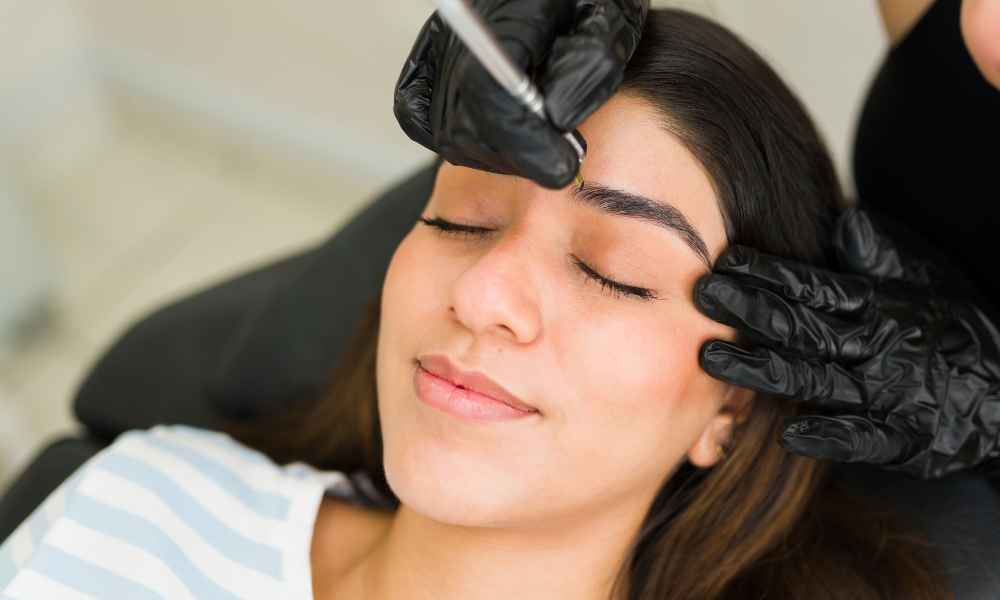
One of the most valuable parts of professional training is supervised work on live models.
Students gain experience in:
- Client consultation
- Brow design
- Microblading procedure
- Pigment implantation
- Aftercare instructions
Experienced trainers provide guidance throughout the process.
Client Consultation Skills
A successful treatment begins with an effective consultation.
Training usually includes:
- Medical history review
- Contraindications
- Client expectations
- Brow style selection
- Consent forms
- Treatment planning
Strong consultation skills help avoid misunderstandings and improve results.
Aftercare and Healing Guidance
Clients rely on artists for proper aftercare advice.
Students learn how to educate clients on:
- Healing timelines
- Cleaning procedures
- Activities to avoid
- Touch-up appointments
- Long-term maintenance
Good aftercare contributes to better pigment retention.
Business and Marketing Fundamentals
Many training providers also teach students how to build a successful beauty business.
Topics may include:
- Pricing services
- Photography
- Social media marketing
- Client retention
- Booking systems
- Branding
- Portfolio development
These skills help graduates attract clients and grow their businesses.
Ongoing Support
The learning process doesn’t end after graduation.
Many professional academies provide:
- Ongoing mentoring
- Refresher sessions
- Online student groups
- Advanced courses
- Technical support
Continued education helps artists stay current with industry developments.
Certification
Upon successful completion, students generally receive a certificate recognising their training.
While certification requirements vary depending on location, completing a reputable course demonstrates commitment to professional standards and ongoing education.
Final Thoughts
A professional microblading training course should provide much more than basic technique instruction. From skin anatomy and colour theory to live model practice, hygiene, client consultation, and business development, comprehensive training equips students with the knowledge and confidence to begin their cosmetic tattoo careers.
Choosing a reputable PMU training provider with experienced educators, practical experience, and ongoing support is one of the best investments aspiring artists can make.