
Lip Tattoo Guide: Everything You Need to Know Before Your Appointment
Lip tattooing has become a popular cosmetic tattoo treatment for people who want more defined, balanced and naturally coloured lips without applying lipstick every day. Depending on the technique used, a lip tattoo can enhance the natural lip shape, improve the appearance of uneven pigmentation and create a more polished everyday look.
If you are considering lip tattooing for the first time, understanding the process, preparation, healing period and aftercare can help you make an informed decision.
What Is a Lip Tattoo?
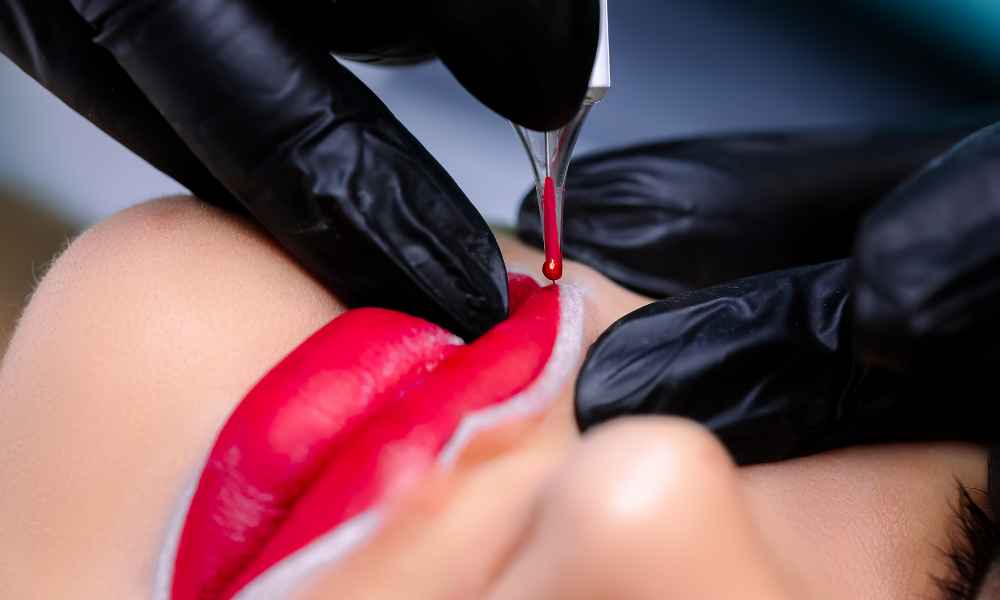
A lip tattoo is a form of cosmetic tattooing that deposits specialised pigment into the lips using a fine needle. Unlike a traditional tattoo, cosmetic lip tattooing is designed to create a soft and natural-looking result rather than a permanent, bold colour.
The treatment may be used to enhance the natural lip colour, define the lip border, improve the appearance of uneven pigmentation or create the appearance of fuller, more balanced lips.
Popular lip tattoo techniques include lip blush, full lip colour and lip neutralisation. The most suitable option depends on your natural lip colour, skin tone, desired result and the assessment carried out by your cosmetic tattoo artist.
What Is Lip Blush?
Lip blush is one of the most popular forms of cosmetic lip tattooing. It uses soft layers of pigment to enhance the natural colour and shape of the lips.
Rather than creating the appearance of heavy lipstick, lip blush is generally designed to produce a subtle tint. The finished colour can look stronger immediately after treatment but normally becomes softer as the lips heal.
Lip blush may be suitable for people who want a more defined lip appearance while maintaining a natural finish.
What Is Lip Neutralisation?
Lip neutralisation is designed for lips with darker, cool, purple or uneven pigmentation. Instead of simply adding a chosen colour, the artist works with appropriate corrective pigments to help balance the underlying tone.
The process can require multiple sessions, particularly when the natural lip pigmentation is pronounced. Results vary between individuals, so an experienced artist should assess the lips before recommending a treatment plan.
Benefits of Lip Tattooing
One of the main advantages of cosmetic lip tattooing is convenience. Once healed, the lips can appear more defined and evenly coloured without requiring daily application of lip products.
Potential benefits include:
- Enhancing natural lip colour
- Creating a more defined lip shape
- Improving the appearance of uneven pigmentation
- Giving lips a soft, polished appearance
- Reducing the need for daily lipstick
- Creating a more balanced-looking lip shape
It is important to have realistic expectations. Lip tattooing can enhance the appearance of your lips, but it does not physically increase lip volume in the way dermal fillers can.
How to Prepare for a Lip Tattoo
Good preparation can help make the appointment more comfortable and support the healing process.
Before your treatment, your artist may provide specific instructions based on your circumstances. Generally, it is helpful to arrive with clean lips and avoid using irritating lip products immediately before the appointment.
If you have a history of cold sores, discuss this with your healthcare professional and cosmetic tattoo artist before treatment. Lip procedures can trigger cold sore outbreaks in people who are susceptible, and a healthcare professional can advise whether preventative treatment is appropriate.
Always disclose relevant medications, allergies, previous cosmetic tattooing and any concerns during your consultation.
What Happens During the Appointment?
A lip tattoo appointment generally begins with a consultation. Your artist will discuss your goals, examine your natural lip colour and shape, and explain the recommended technique.
The artist may then map or outline the lip shape before selecting a suitable pigment. Once the design is agreed upon, the treatment area is prepared and the pigment is carefully implanted into the lips.
The procedure can take several hours depending on the technique, consultation, lip condition and individual requirements.
Your artist should explain what you can expect during and after the treatment and provide detailed aftercare instructions.
Does a Lip Tattoo Hurt?
Everyone experiences cosmetic tattooing differently. The lips are a sensitive area, so some discomfort may be experienced during treatment.
A topical numbing product may be used where appropriate and in accordance with the manufacturer’s instructions and local requirements. Your artist should explain what products are being used and what sensations you may experience.
If you are particularly concerned about discomfort, discuss it during your consultation rather than trying to manage it yourself.
Lip Tattoo Healing Process
The appearance of your lips can change considerably during healing. Immediately after treatment, the colour may look much stronger than the final result. Mild swelling, tenderness, dryness or sensitivity can also occur.
As the lips heal, the pigment gradually settles and the colour usually becomes softer.
Avoid judging the final result during the first few days. Cosmetic tattooing requires patience while the skin recovers.
Your artist should provide specific aftercare instructions, which may include keeping the area clean, avoiding unnecessary touching and applying recommended aftercare products.
Lip Tattoo Aftercare
Following aftercare instructions is an important part of achieving a good healed result.
Depending on your artist’s instructions, you may need to:
- Keep the treated area clean
- Avoid picking or peeling the lips
- Use only recommended aftercare products
- Avoid unnecessary touching
- Follow instructions about makeup and lip products
- Protect your lips from excessive sun exposure
- Avoid activities that your artist advises against during early healing
Do not remove peeling skin or scabs yourself. Allow the lips to heal naturally.
If you experience symptoms that concern you, contact your healthcare professional promptly.
When Will You See the Final Colour?
The immediate post-treatment colour is not the final result. Lip pigment can appear significantly brighter or darker immediately following the procedure.
As healing progresses, the colour generally softens. The final appearance can take several weeks to become clear because individual healing rates vary.
Your artist will normally explain when you should return for an assessment or touch-up.
Is a Touch-Up Necessary?
A touch-up is commonly part of the cosmetic tattoo process. During the first treatment, the pigment may heal unevenly or appear lighter in some areas.
A follow-up appointment allows the artist to assess the healed result and make appropriate adjustments if required.
The timing of a touch-up varies depending on the artist’s technique, pigment used and how your lips have healed. Do not schedule one too early; your artist should advise when the lips are sufficiently healed.
How Long Does Lip Tattooing Last?
Lip tattoos are considered semi-permanent cosmetic treatments, but the longevity varies significantly between individuals.
Factors that can affect fading include:
- Skin type
- Natural lip pigmentation
- Sun exposure
- Lifestyle
- Pigment choice
- Aftercare
- Cosmetic products
- Individual healing characteristics
The colour gradually fades rather than disappearing suddenly. Periodic maintenance may be recommended if you want to maintain the appearance.
Choosing the Right Lip Tattoo Artist
Choosing an experienced and properly trained cosmetic tattoo artist is one of the most important decisions you can make.
Before booking, consider their:
- Training and qualifications
- Experience with lip procedures
- Portfolio of healed results
- Hygiene and sanitation practices
- Consultation process
- Pigment knowledge
- Aftercare guidance
- Reviews from previous clients
Look for healed-result photographs rather than relying only on immediately after-treatment images. Fresh lip tattoos can look very different from their healed appearance.
Is Lip Tattooing Right for Everyone?
Lip tattooing is not suitable for everyone or every situation. Your artist should assess your lips and discuss your individual circumstances before treatment.
Certain medical conditions, medications, active infections or other factors may mean treatment should be postponed or avoided. If you are pregnant, breastfeeding, taking medication or have a medical condition that could affect healing, discuss the procedure with your healthcare professional before proceeding.
Never hide relevant medical information from your cosmetic tattoo artist.
Lip Tattoo vs Traditional Lipstick
Traditional lipstick provides temporary colour and allows you to change shades whenever you want. Lip tattooing, on the other hand, provides longer-lasting enhancement without daily application.
Lip tattooing does not completely replace lipstick for everyone. You can still use lip products after the lips have fully healed if you want a stronger or different colour.
The main difference is convenience: cosmetic tattooing is designed to provide a base colour and definition that remains when your makeup is removed.
Frequently Asked Questions
Can lip tattooing make lips look bigger?
Lip tattooing cannot physically increase lip volume. However, careful colour placement and definition can create the appearance of a more balanced or defined lip shape.
Can I choose any lip colour?
Your artist should select a pigment based on your natural lip colour, skin tone, undertones and desired result. Some colours may not be suitable for every person.
How many sessions will I need?
Many clients have an initial treatment followed by a touch-up, but the number of sessions varies. Lip pigmentation, healing and the desired result all influence the treatment plan.
Can I get lip tattooing over an existing lip tattoo?
It depends on the existing pigment and its condition. Your artist should assess the lips before deciding whether a new treatment is appropriate.
How should I choose between lip blush and lip neutralisation?
The right technique depends on your natural lip pigmentation. Lip blush is generally focused on enhancing colour, while neutralisation may be recommended when the lips have darker or uneven underlying pigmentation.
Final Thoughts
A lip tattoo can be an effective way to enhance natural lip colour and definition while reducing the need for everyday makeup. However, achieving a good result depends on more than the treatment itself.
Choosing an experienced cosmetic tattoo artist, having realistic expectations, preparing correctly and following aftercare instructions can all contribute to a successful experience.
If you are considering lip blush, lip neutralisation or another lip tattoo technique, start with a professional consultation. A personalised assessment can help determine which treatment is most appropriate for your natural lip colour, shape and desired outcome.