
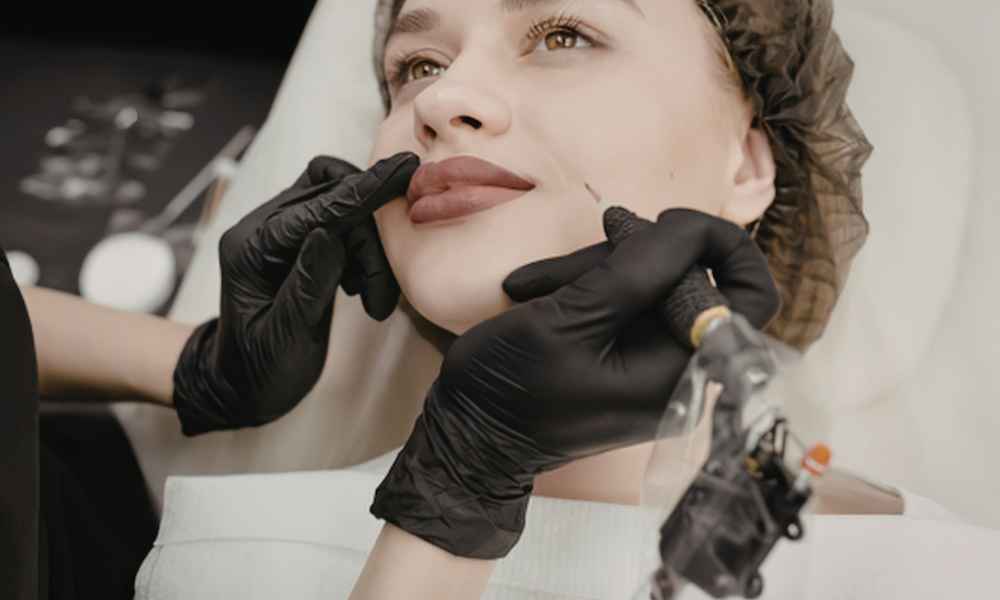
Mistakes to Avoid When Learning Lip Blush Tattooing
Lip blush tattooing is one of the fastest-growing cosmetic tattoo treatments, offering clients enhanced lip colour, improved symmetry, and a naturally refreshed appearance. While the procedure can produce beautiful results, it also requires precision, patience, and proper training.
For beginners, the learning process can be challenging. Avoiding common mistakes early on will help improve technique, boost confidence, and create better outcomes for clients.
Here are some of the most common mistakes students should avoid when learning lip blush tattooing.
Skipping the Theory
Many students are eager to begin practical work immediately, but theory is just as important.
Understanding topics such as:
- Skin anatomy
- Colour theory
- Lip healing
- Contraindications
- Hygiene
- Pigment science
provides the knowledge needed to perform treatments safely and effectively.
Choosing the Wrong Pigment
Pigment selection plays a major role in healed results.
Using colours that don’t suit the client’s natural lip tone or skin undertone can lead to disappointing outcomes.
Students should learn:
- Warm vs cool pigments
- Neutralisation techniques
- Colour retention
- Healed colour expectations
Strong colour theory knowledge prevents many common issues.
Poor Lip Mapping
Proper mapping ensures balanced and symmetrical lips.
Rushing this step can result in uneven borders or unnatural shapes.
Always take time to:
- Assess natural lip symmetry
- Measure carefully
- Discuss the desired outcome with the client
- Create clear treatment boundaries
Good preparation leads to better results.
Applying Too Much Pressure
One of the biggest beginner mistakes is implanting pigment too deeply.
Excessive pressure may cause:
- Increased trauma
- Bleeding
- Longer healing
- Poor colour retention
- Scarring in severe cases
Professional training helps students learn the correct depth and hand pressure.
Rushing the Procedure
Speed comes with experience.
Trying to finish treatments too quickly often leads to inconsistent pigment implantation and uneven healing.
Focus on:
- Accuracy
- Consistency
- Client comfort
Efficiency will naturally improve over time.
Ignoring Hygiene Standards
Maintaining strict hygiene is essential.
Never overlook:
- Wearing fresh gloves
- Sterile equipment
- Clean workstations
- Cross-contamination prevention
- Safe disposal of single-use items
Professional hygiene protects both the client and the technician.
Unrealistic Client Expectations
Beginners sometimes promise results that cannot be guaranteed.
Clients should understand:
- Healing changes
- Colour fading
- Touch-up requirements
- Individual healing differences
Clear communication builds trust and reduces dissatisfaction.
Not Practising Enough
Skill development requires repetition.
Spend plenty of time practising on:
- Artificial skin
- Practice templates
- Live models under supervision
The more you practise, the more confident your hand movements become.
Overworking the Lips
Repeatedly going over the same area can cause unnecessary trauma.
This may result in:
- Excessive swelling
- Delayed healing
- Uneven pigment retention
- Client discomfort
Learn to recognise when sufficient pigment has been implanted.
Forgetting Aftercare Education
A successful treatment doesn’t end when the client leaves.
Students should confidently explain:
- Cleaning instructions
- Moisturising recommendations
- Foods and drinks to avoid
- Sun protection
- Healing expectations
Proper aftercare improves healed results significantly.
Comparing Yourself to Experienced Artists
Many beginners become discouraged when comparing their work to experienced cosmetic tattoo artists.
Remember that every professional started as a beginner.
Focus on:
- Continuous improvement
- Regular practice
- Constructive feedback
- Ongoing education
Confidence grows with experience.
Not Investing in Quality Training
Trying to learn solely through online videos or social media often creates bad habits.
A professional training course provides:
- Expert guidance
- Live demonstrations
- Practical supervision
- Feedback
- Safe techniques
- Industry best practices
Quality education forms the foundation of a successful cosmetic tattoo career.
Final Thoughts
Learning lip blush tattooing takes dedication, patience, and consistent practice. By avoiding common beginner mistakes such as poor pigment selection, incorrect pressure, rushing procedures, and neglecting hygiene, students can develop safe techniques and deliver beautiful, natural-looking results.
The key to long-term success is investing in professional PMU training, practising regularly, and continuing to refine your skills. With the right education and commitment, you can build confidence, achieve excellent results, and establish a rewarding career in cosmetic tattooing.