
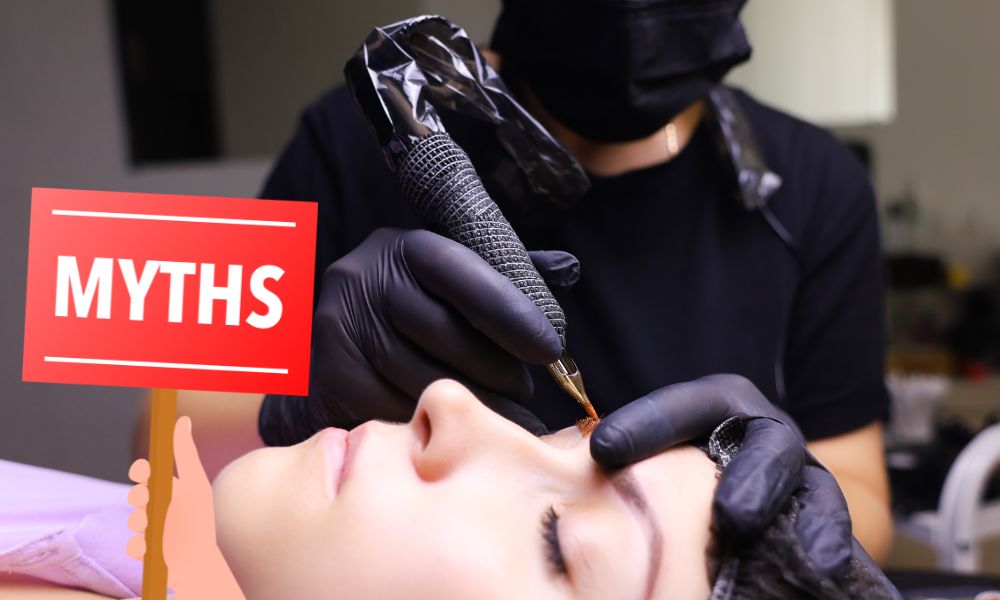
10 Myths About Cosmetic Tattooing
Cosmetic tattooing, also known as permanent makeup or micropigmentation, has surged in popularity over the past decade. From perfectly shaped brows to luscious-looking lips and defined eyeliner, this technique offers a semi-permanent solution for beauty enthusiasts, busy professionals, and people with medical conditions alike.
Yet despite its growing popularity, cosmetic tattooing remains surrounded by myths, misunderstandings, and outdated information. These myths not only create unnecessary fear and stigma but also prevent many people from enjoying the life-changing benefits that cosmetic tattooing can offer.
In this blog post, we’re debunking the most common myths about cosmetic tattooing so you can make informed decisions with confidence.
Myth 1: Cosmetic Tattooing Is the Same as Body Tattooing
Truth: While both procedures involve implanting pigment into the skin using needles, cosmetic tattooing and traditional body tattooing are very different in technique, depth, tools, and pigments used.
- Cosmetic tattooing implants pigment into the upper dermis, which makes it semi-permanent and fades over time.
- Body tattoos go deeper into the skin, making them permanent.
- Cosmetic pigments are designed to fade naturally to avoid long-term discoloration, unlike body tattoo inks.
Think of cosmetic tattooing as a refined, medical-grade technique with an artistic approach focused on enhancing natural beauty, not creating bold, permanent body art.
Myth 2: Cosmetic Tattoos Always Look Fake or Overdone
Truth: This myth comes from the early days of permanent makeup, where techniques and pigments were more limited. Today’s cosmetic tattooing is incredibly advanced and focused on natural-looking results.
Modern artists use a variety of techniques such as:
- Microblading or Nano Brows for hair-like strokes
- Powder Brows for a soft, shaded brow effect
- Lip Blushing for a natural tint of color
- Lash Enhancement for subtle eyeliner that mimics fuller lashes
A skilled technician will customize the shape, color, and technique to suit your individual face structure and preferences. You’ll look refreshed, not artificial.
Myth 3: It’s Painful
Truth: Pain is subjective, but most clients describe cosmetic tattooing as mildly uncomfortable rather than painful.
Topical anesthetics are applied before and during the procedure to numb the area and minimize discomfort. Most people report feeling a light scratching or vibration not sharp pain.
If you’ve ever had your eyebrows threaded or waxed, you’ll likely find cosmetic tattooing more tolerable!
Myth 4: It Lasts Forever
Truth: Cosmetic tattooing is semi-permanent, not permanent.
Because the pigment is deposited more superficially than traditional tattoos, it will gradually fade over 1-3 years, depending on:
- Skin type and age
- Sun exposure
- Skincare products (like retinol or acids)
- Lifestyle factors (smoking, sweating, etc.)
Regular touch-ups (often yearly) help maintain the desired look. Fading is actually an advantage, allowing you to adjust shape or color as your face matures or beauty trends change.
Myth 5: It’s Only for Women
Truth: Cosmetic tattooing is for anyone who wants to enhance their appearance, regardless of gender.
Men can benefit from:
- Brow enhancements to fill sparse or uneven brows
- Scalp micropigmentation for a fuller hairline
- Lash enhancement for a more defined eye
The industry is becoming more inclusive, with many artists specializing in gender-affirming and natural-looking results for clients of all identities.
Myth 6: It’s Unsafe
Truth: When performed by a licensed, trained, and reputable artist, cosmetic tattooing is very safe.
Reputable artists follow strict hygiene protocols:
- Use of sterile, single-use needles
- Proper sanitization of equipment
- Wearing gloves and protective gear
- Performing patch tests to avoid allergic reactions
The most common side effects are mild swelling and redness, which subside in a few days. Serious complications are rare when proper aftercare is followed and the procedure is done by a certified professional.
Myth 7: You’ll Have No Control Over the Results
Truth: A professional artist will involve you in every step of the process, including:
- Mapping and shaping brows or lips to fit your bone structure
- Customizing pigment colors to match your undertones
- Showing you pre-draws or mockups before beginning
You can (and should!) ask questions, provide feedback, and ensure you’re 100% comfortable with the plan before any pigment is deposited.
A consultation is key, don’t skip it!
Myth 8: Cosmetic Tattooing Is Just a Beauty Trend
Truth: While it’s popular in the beauty world, cosmetic tattooing goes far beyond aesthetics.
It offers life-enhancing benefits for people who:
- Have alopecia or have lost hair due to chemotherapy
- Struggle with vitiligo or uneven pigmentation
- Suffer from unsteady hands or vision issues (making makeup application hard)
- Have had surgeries (e.g., mastectomy) and want areola restoration
For many, cosmetic tattooing is more than beauty, it’s a form of self-empowerment and healing.
Myth 9: You Can Go Anywhere to Get It Done
Truth: Not all artists are created equal. Choosing the right professional makes all the difference.
Do your research:
- Look at before and after photos
- Read reviews and testimonials
- Ask about certifications, experience, and sanitation practices
- Don’t choose based on price alone, this is your face!
A botched job can be expensive and painful to remove or fix. Always prioritize quality, safety, and experience.
Myth 10: You Can Skip Aftercare
Truth: Aftercare is crucial for healing and long-term results.
After your procedure, you’ll be given detailed aftercare instructions, which may include:
- Avoiding water, sweating, and sun exposure
- Using a healing balm
- Not picking or scratching the area
- Following up for touch-ups
Neglecting aftercare can lead to poor pigment retention, infections, or uneven healing. It’s not worth the risk.
Conclusion: Empowerment Through Education
Cosmetic tattooing is a powerful tool for self-expression, convenience, and confidence, but like any beauty treatment, it’s surrounded by myths that can cause confusion or hesitation.
By understanding the truth behind these myths, you’re empowered to:
- Ask the right questions
- Choose the right cosmetic tattoo artist
- Get the most out of your cosmetic tattoo experience
Whether you’re considering your first procedure or just curious about the process, knowledge is your best beauty tool.