
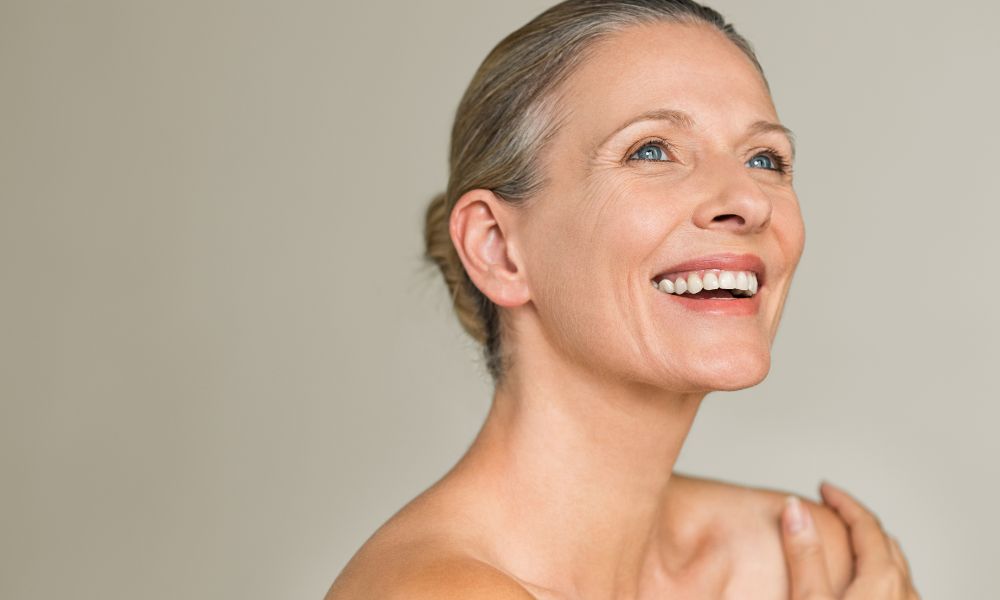
Should a 60-Year-Old Get Microblading?
As we age, our eyebrows like our hair and skin undergo natural changes. Hair growth slows down, pigment fades, and the once full, defined arches of our youth may become sparse or patchy. It’s no surprise that many women (and men!) in their 50s, 60s, and beyond start looking for long-lasting solutions to enhance their brows. One of the most popular modern options is microblading, a semi-permanent cosmetic tattooing technique that creates the illusion of fuller, natural-looking eyebrows.
But an important question often comes up: Is microblading safe and effective for someone who’s 60 or older?
Let’s take an in-depth look at the benefits, considerations, and special care tips for mature skin.
What Is Microblading?
Microblading is a semi-permanent eyebrow tattooing method that uses a fine blade to deposit pigment under the surface of the skin. Unlike traditional tattooing, which uses a machine and penetrates deeply, microblading involves superficial, hair-like strokes that mimic natural brow hairs.
Results typically last 1 to 3 years, depending on your skin type, age, lifestyle, and how well you maintain your brows.
Why Many Women Over 60 Consider Microblading
1. Hair Loss and Thinning Brows
With age, our hair follicles slow production, and this includes eyebrow hairs. Hormonal changes, thyroid issues, and over-plucking in younger years can lead to sparse or uneven brows. Microblading fills in those gaps beautifully.
2. Ease and Convenience
For many older adults, daily brow makeup can be tedious or difficult, especially if eyesight or dexterity has declined. Microblading offers a “wake up and go” solution, no more smudged pencils or fading powders.
3. A Youthful Appearance
Well-shaped brows lift the face and add definition to the eyes. Subtle microblading can make a person look more awake, fresh, and confident without appearing “overdone.”
Unique Considerations for Mature Skin
While microblading can be transformative at any age, skin changes after 50 or 60 mean it requires extra care and the right professional.
1. Thinner, More Fragile Skin
As collagen and elasticity decline, the skin becomes thinner and more delicate. This means pigment retention might be lower, and healing can take longer. A skilled technician will use lighter pressure and softer strokes to avoid overworking the skin.
2. Dryness and Reduced Oil Production
Less oil means pigment might last longer but the skin can also be more sensitive. Aftercare hydration is crucial to prevent flaking or irritation.
3. Existing Medical Conditions or Medications
If you’re on blood thinners, have diabetes, or a condition that affects healing, it’s important to discuss this with your doctor and technician beforehand. These factors may affect your eligibility or healing time.
4. Natural Look vs. Overdone Look
For mature faces, less is often more. Soft, natural strokes and lighter shades that match your skin tone and hair color usually look best. Overly dark or sharp brows can look harsh.
The Benefits of Microblading for 60+ Skin
✅ Restores Brow Shape and Fullness
✅ Saves Time on Makeup Application
✅ Boosts Confidence and Facial Symmetry
✅ Low Maintenance once healed
✅ Customisable Results, your technician can adjust shape, density, and color
Potential Downsides and Risks
While many women love their results, microblading isn’t for everyone.
⚠️ Longer Healing Time – Mature skin may take 6–8 weeks to fully recover.
⚠️ Color Fading or Uneven Retention – Pigment may fade faster or appear uneven if skin texture is uneven.
⚠️ Touch-Ups Needed – Annual touch-ups are common to maintain results.
⚠️ Possible Allergic Reactions or Infections – Always choose a certified, hygienic, and experienced artist.
What to Look for in a Microblading Artist
Finding the right cosmetic tattoo artist is critical especially for mature clients. Look for:
- Certification & Portfolio of clients over 50
- Experience with different skin textures
- Customized pigment selection for gray or silver hair tones
- Sanitary environment and high-quality tools
Ask to see before-and-after photos of clients around your age. The difference between an artist who understands mature skin and one who doesn’t can be dramatic.
Aftercare Tips for Mature Skin
Healing well ensures your brows look their best.
- Keep brows clean and dry for the first 24 hours.
- Avoid picking or scratching any flakes.
- Use the provided aftercare ointment sparingly to avoid clogging pores.
- Stay out of the sun and avoid saunas, pools, or excessive sweating during healing.
- Use sunscreen on your brows once healed to prevent fading.
Alternatives to Microblading
If you’re hesitant, there are gentler or temporary options:
- Powder Brows or Ombre Brows: Softer shading technique better for mature, delicate skin.
- Tinting or Henna Brows: Temporary color boost lasting 2–4 weeks.
- Brow Pencils or Gels: Good for experimenting with different shapes before committing.
The Bottom Line
So, should a 60-year-old get microblading?
Absolutely, if your skin and health allow, and you choose a skilled artist.
Microblading can beautifully enhance thinning brows, restore balance to the face, and simplify your daily routine. The key is to go for a natural, soft, and age-appropriate design that flatters your features rather than overpowering them.
A consultation with an experienced technician who understands mature skin is the best place to start. With the right care, your new brows can give you a fresh, youthful, and effortless look you’ll love for years to come.
Final Thought
Age should never be a barrier to feeling confident and beautiful. Microblading at 60 is not about chasing youth, it’s about enhancing what you already have and embracing your natural beauty, with a little modern help.