Everything You Need To Know About Lip Neutralisation
Lip neutralisation has become a popular cosmetic procedure in recent years, offering a semi-permanent solution for those seeking to enhance their natural lip color and achieve a more even, radiant appearance. Whether you’re dealing with dark, cool-toned lips or simply want to brighten your pout, this technique can transform your look without the need for daily makeup.
In this comprehensive guide, we’ll dive deep into what lip neutralisation entails, who it’s best suited for, the step-by-step process, preparation tips, aftercare essentials, benefits, potential risks, and more. By the end, you’ll have all the information needed to decide if this procedure is right for you.
What Is Lip Neutralisation?
Lip neutralisation, also known as lip color correction or dark lip neutralisation, is a specialised semi-permanent makeup technique designed to balance and correct uneven or dark lip pigmentation. It involves injecting neutralising ink pigments into the surface layers of the lips to counteract cooler tones, such as purple, blue, gray, or brown hues, resulting in a softer, more pinkish or natural shade. This procedure is particularly effective for individuals with melanin-rich skin, as it addresses hyperpigmentation that can make lips appear darker or discolored due to genetics, sun exposure, smoking, or aging.
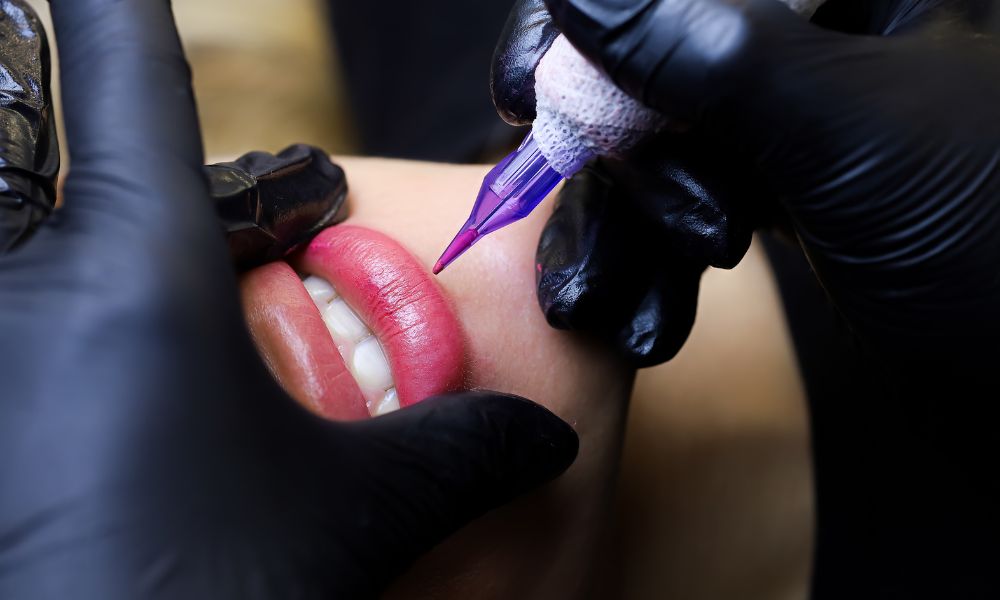
Unlike traditional lip blushing, which adds a tint of color to already even-toned lips, lip neutralisation focuses on “neutralising” the existing pigment first. It’s often performed using a tattoo machine with fine needles that deposit the pigment precisely, creating the illusion of fuller, more symmetrical lips without fillers. The result is a natural enhancement that can last for years, depending on various factors like skin type and lifestyle.
This treatment falls under the broader category of permanent makeup (PMU), but it’s semi-permanent because the pigments fade over time as the skin naturally exfoliates. It’s not a one-size-fits-all solution; the pigments are custom-mixed to match your desired outcome and skin undertones, ensuring a personalised result.
Who Is Lip Neutralisation For?
Lip neutralisation is ideal for a wide range of people, but it’s especially beneficial for those with cooler or darker lip tones, often seen in individuals with medium to dark skin tones. If your lips have a naturally dark pigmentation that makes them look uneven or less vibrant, this procedure can help restore a more balanced, youthful appearance. Common candidates include:
- People with hyperpigmented lips due to melanin overproduction.
- Those experiencing lip discoloration from smoking, sun damage, or medical conditions like anemia.
- Individuals seeking to correct asymmetry, scarring, or color inconsistencies from previous procedures.
- Anyone wanting a low-maintenance alternative to daily lip liners or lipsticks for a naturally flushed look.
However, it’s not suitable for everyone. Pregnant or breastfeeding individuals, those with active cold sores, severe allergies to pigments, or certain skin conditions like eczema on the lips should consult a professional first. A thorough consultation is key to determining eligibility.
The Lip Neutralisation Process: Step by Step
Understanding the procedure can alleviate any anxiety. Lip neutralisation typically takes 2-3 hours and is done in one or more sessions. Here’s a detailed breakdown:
- Consultation: The process begins with a discussion of your goals, lip shape, and color preferences. Skin tone analysis helps in selecting the right neutralising pigments—often warm tones like oranges or pinks to counteract cool shades.
- Preparation: Lips are cleaned, and a topical numbing cream is applied for 20-30 minutes to minimize discomfort. Some describe the sensation as a slight scratching or vibration.
- Mapping and Outlining: The technician maps out the desired lip shape using a pencil, ensuring symmetry and enhancement of your natural contours.
- Pigment Application: Using a specialised machine, pigments are deposited into the lips’ dermal layer. Multiple passes may be needed for even coverage, starting with neutralisation and followed by a blush of color if desired.
- Touch-Up Session: A follow-up appointment 4-6 weeks later refines the results, as initial healing can cause some pigment loss.
The procedure is minimally invasive, with most people resuming normal activities the next day.
Preparation Tips for Optimal Results
To ensure the best outcome, proper preparation is crucial. Start by avoiding blood-thinning substances like alcohol, aspirin, or fish oil for at least 48 hours before your appointment to reduce bruising. Hydrate your lips well in advance using a gentle balm, but avoid exfoliating scrubs that could irritate the skin.
If you’re prone to cold sores, consider antiviral medication as a precaution, since the procedure can trigger outbreaks. Also, steer clear of sun exposure and tanning to prevent uneven pigmentation. Arrive with clean, makeup-free lips for the session.
Lip Neutralisation Aftercare: Healing & Maintenance
Post-procedure care is vital for longevity and to avoid complications. Immediately after, lips may appear swollen and darker than expected—this is normal and subsides within a few days. Follow these steps:
- Days 1-3: Apply a provided ointment sparingly to keep lips moist. Avoid touching, licking, or picking at scabs.
- Days 4-7: Lips will peel; let this happen naturally. Use cold compresses for swelling.
- Ongoing: Avoid spicy foods, hot drinks, swimming, saunas, and direct sun for 2 weeks. Use SPF lip balm daily thereafter.
Full healing takes 4-6 weeks, with color settling into its final shade. Annual touch-ups can maintain vibrancy.
Benefits of Lip Neutralisation
The appeal of lip neutralisation lies in its transformative benefits:
- Even Tone and Brightness: Achieves a natural, pinkish hue on dark lips, boosting confidence.
- Symmetry and Fullness: Enhances shape without injectables.
- Time-Saving: No need for daily makeup; wake up with perfect lips.
- Long-Lasting: Results can endure 1-3 years, fading gradually.
- Customisable: Tailored to your skin and preferences for a subtle or bold look.
It’s a game-changer for those who’ve struggled with lip discoloration.
Potential Risks and Side Effects
While generally safe, lip neutralisation carries some risks. Common side effects include mild swelling, tenderness, bruising, and scabbing, which resolve within a week. Rare complications might involve infection, allergic reactions to pigments, or uneven fading if aftercare isn’t followed.
Hyperpigmentation or keloid scarring is possible in susceptible individuals, so choosing an experienced technician is essential. Always patch-test pigments beforehand.
How Long Does Lip Neutralisation Last?
On average, results last 1-3 years, influenced by factors like skin type (oily skin fades faster), sun exposure, and lifestyle habits such as smoking. Touch-ups every 12-18 months can extend the vibrancy. As it fades, the color lightens naturally, avoiding harsh lines.
Cost Considerations
Costs vary by location and expertise, typically ranging from $200 to $800 for the initial session, with touch-ups at half the price. Factors include the complexity of neutralisation and number of sessions needed. Research thoroughly to understand value.
Final Thoughts
Lip neutralisation offers an empowering way to embrace your natural beauty while correcting pigmentation issues. With proper research, preparation, and aftercare, it can deliver stunning, long-lasting results that enhance your smile and confidence. If you’re considering this procedure, consult a qualified professional to discuss your unique needs. Remember, beauty is personal—choose what makes you feel radiant!